
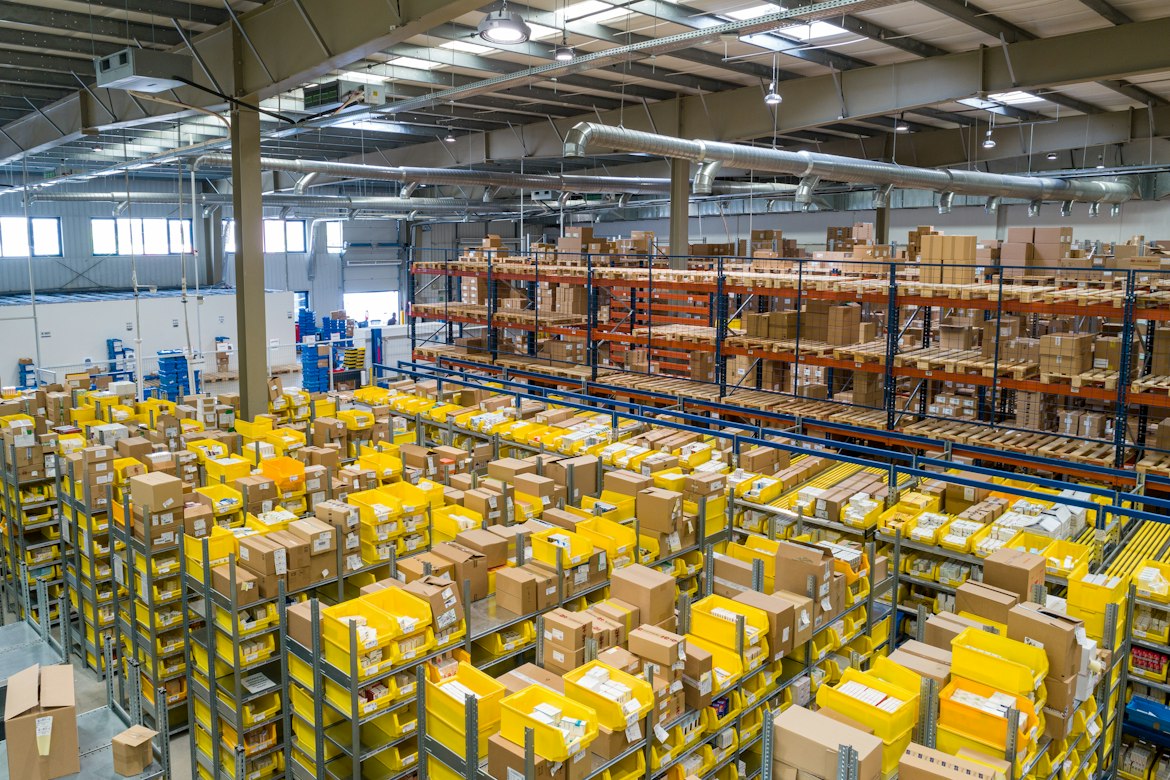
Modern shoppers are getting super curious about where their stuff comes from.
It’s not enough anymore for an item to just work well or look good; people want to know its backstory and what kind of impact it had on the planet.
For any business, this shift is both a challenge and a huge opportunity.
Being open about your supply chain isn’t just about following rules; it’s about building a stronger, more resilient brand that really connects with today’s thoughtful customers.
Why Transparency Matters Now
This push for transparency comes from a few different places.
For starters, ethically minded customers are actively seeking out brands that can genuinely demonstrate they care about fair labour and sustainable practices.
On the flip side, not being visible enough can be a big risk.
Just one bad story about a supplier can trash a brand’s reputation overnight.
Plus, regulations are getting tougher everywhere.
For example, new European Union rules are making product information much easier to access.
Understanding these new requirements with a digital product passport guide is becoming super important for businesses that operate in or sell to the EU market.
Basically, supply chain transparency is no longer just a ‘nice-to-have’ – it’s a core part of doing business.
Mapping Your Product Journey
To really open things up, you first need a clear picture of your own operations.
That means mapping out every single step your product takes, from where the raw materials are sourced to when it lands in your customer’s hands.
Think about a simple cotton T-shirt.
Its journey starts at a cotton farm, then goes to a ginning facility, a spinning mill, a weaving or knitting factory, a dyeing plant, a product manufacturing unit where it’s cut and sewn, and finally to a distributor and retailer.
Understanding the complexities of transparency and traceability is the very first step.
Documenting each stage and identifying every partner involved is a fundamental exercise in building a more open business model.
Tools for Better Visibility
Luckily, technology offers some powerful tools to help track and manage those complex supply chains.
And you don’t need a massive budget to start improving your visibility.
Simple solutions can make a big difference.
- QR Codes: Put a QR code on a product’s label or packaging, and it can link customers straight to a webpage detailing its origin, what it’s made of, and how it was produced.
- Supplier Portals: Using shared software with your direct suppliers can help centralise communication and documentation. This keeps everyone on the same page about standards and what’s expected.
- Blockchain Technology: For those with more advanced needs, blockchain offers a super secure, immutable ledger. Every transaction or product movement gets recorded as a ‘block’ that can’t be altered, creating a permanent and trustworthy history.
Communicating With Consumers
Once you’ve gathered all this info, the next step is sharing it in a way your customers can easily understand and appreciate.
Just dumping raw data on them probably won’t work.
Instead, focus on telling a story.
Use your website’s ‘About Us’ section to chat about your suppliers and your production philosophy.
Share behind-the-scenes photos and videos on social media to show how your products come to life.
On the product itself, use clear labels to highlight key features, like “Made with organic cotton” or “Assembled in the UK.”
The whole point is to make the information easy to get and engaging, turning your supply chain into a compelling part of your brand’s story.
Building Trust in Your Brand
Every step you take towards greater transparency is an investment in building brand trust.
When customers can see that you’re open and honest about how you do things, they’re much more likely to feel a connection to your brand.
That trust then turns into loyalty, positive word-of-mouth, and a willingness to choose your business over competitors who keep things secret.
It really shows you have nothing to hide and are proud of your business practices.
In today’s crowded marketplace, that kind of authenticity is priceless and can become your biggest competitive edge.
Hope you’ve found our article, Making Your Supply Chain More Transparent useful.
Thank you for taking the time to read my post. If you’d like to add a comment or thought on this post, please use the comments section below. I can also be contacted via the online contact form. Keep up to date with the latest news on social media.