
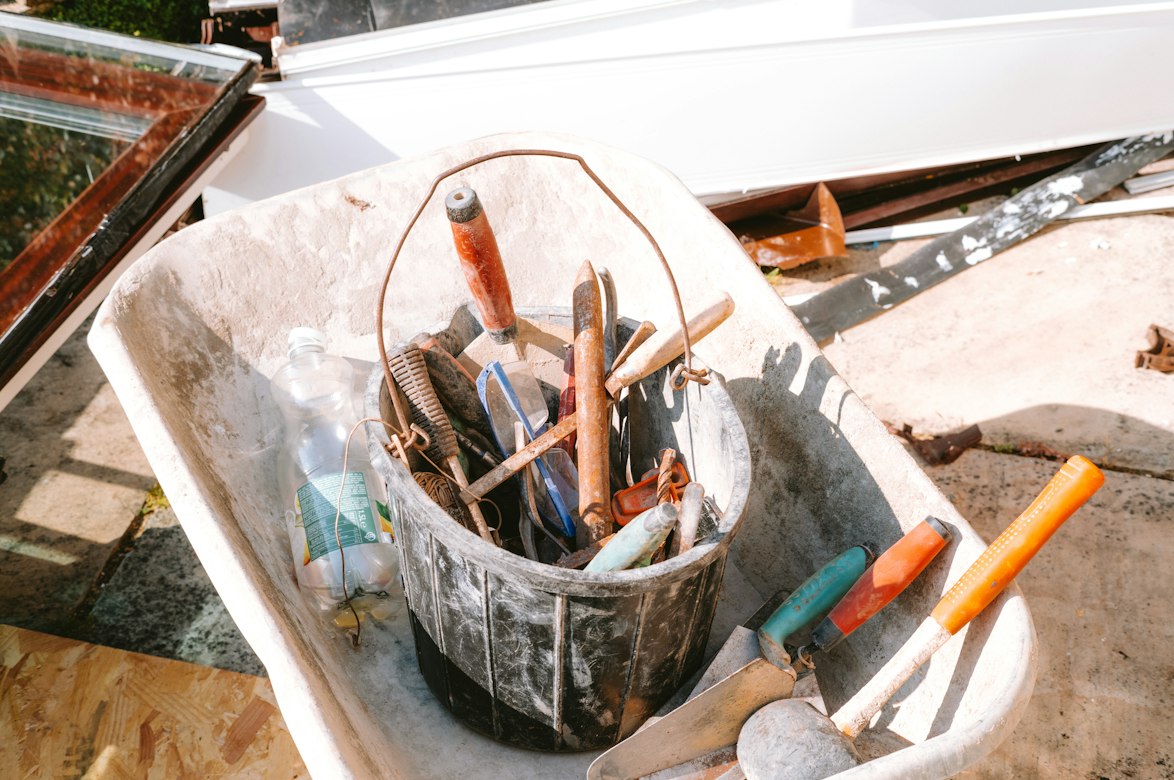
Tackling a DIY home project brings a unique sense of accomplishment.
It lets you really put your own stamp on your living space.
Whether you’re just putting up a simple shelf or diving into a full-blown garden makeover, doing it yourself can save you money and feel incredibly rewarding.
But for any project, big or small, getting it right really depends on making smart choices from the very start.
Without a solid plan and the right materials, that dream project can quickly turn into a frustrating and expensive headache.
This guide will walk you through the main things to think about for any home project.
Our goal is to help you make smart decisions that lead to a finished result you’ll be genuinely proud of.
Planning Your Project Effectively
A successful DIY adventure actually begins long before you pick up a single tool.
Good planning is the bedrock everything else builds on.
Start by figuring out exactly what your project involves, with as much detail as you can.
What do you want to achieve?
What’s the final look you’re going for?
Then, break the whole job down into smaller, more manageable steps.
Creating a step-by-step list helps you see the whole process clearly and keeps you from feeling overwhelmed.
A comprehensive guide to DIY projects can be a fantastic tool for structuring your plan and setting a realistic timeline.
Think about what needs to happen before something else can: does the floor need to be done before the skirting boards go on?
Does a wall need plastering before it can be painted?
Thinking through the order of things now will save you from costly re-dos later.
Understanding Material Specifications
Picking the right materials isn’t just about how they look; it’s also about how well they perform, how long they last, and how safe they are.
It’s a bit like how the benefits of cordless tools can really improve your work.
Every material has its own special qualities that make it perfect for some uses and totally wrong for others.
For example, using regular plasterboard in a bathroom is just asking for trouble, as it’ll quickly get ruined by moisture.
You’d need moisture-resistant plasterboard instead.
Similarly, the type of flooring you choose for a busy hallway will need to be much tougher than what you might pick for a guest bedroom.
Before you buy anything, take some time to look into your options.
Understanding the technical bits will make sure your project not only looks great on day one but also holds up over time.
Learning how to choose renovation materials properly is a key skill that really makes the difference between a professional-looking finish and one that looks a bit amateur.
Sourcing Quality Building Supplies
Once you know what you need, the next step is figuring out where to get it.
It might be tempting to just go for the cheapest materials you can find, but that often ends up costing you more in the long run.
Low-quality supplies can be tricky to work with, might not perform as expected, and could break down quickly, forcing you to spend more money and time on repairs.
Building a relationship with a good supplier is incredibly valuable.
A helpful merchant offers more than just products; they give you expert advice and guidance that can be priceless for a DIYer.
Companies like JJ Building Materials not only have a huge range of products but can also offer the help you need to make sure you’re buying the right thing for the job.
Reliable delivery and a good selection mean you can get everything you need, exactly when you need it, all from one place.
Budgeting for Materials and Tools
Having a clear and realistic budget is crucial to keep your project from getting out of hand.
Start by making a detailed list of every single material you’ll need, from screws and paint to timber and tiles.
Look up the prices for each item and put together a comprehensive shopping list.
Don’t forget to include the cost of tools.
If you only need a special tool for one specific job, it might be cheaper to rent it instead of buying it outright.
Most importantly, always add a contingency fund to your budget, usually about 10-20% of the total estimated cost.
This extra money will cover any unexpected problems or price increases, giving you flexibility without the financial stress.
When to Ask for Expert Advice
Part of a successful DIY project is knowing your own limits.
While it’s fantastic to learn new skills, some jobs are really best left to qualified professionals for safety and legal reasons.
Any work involving gas appliances, for instance, absolutely must be done by a Gas Safe registered engineer.
Likewise, big electrical jobs or anything that changes the structure of your home often require certified pros and might even need building regulations approval.
Don’t be shy about calling in an expert for specific parts of a bigger project.
You could handle the decorating yourself but hire a plasterer for a perfectly smooth finish, or do the tiling while leaving the complicated plumbing to a professional.
This mixed approach lets you save money where you can, while making sure the really critical tasks are done correctly and safely.
Making informed choices is the common thread that runs through every successful home project.
By planning carefully, understanding your materials, and knowing when to ask for help, you can make sure your next DIY adventure is a resounding success.
Hope you’ve found our article, Making Informed Choices for Your DIY Home Projects useful.
Thank you for taking the time to read my post. If you’d like to add a comment or thought on this post, please use the comments section below. I can also be contacted via the online contact form. Keep up to date with the latest news on social media.