
Starting a new fitness routine feels great, but it also puts new demands on your body.
Whether you’re lifting weights, running, or doing high-intensity interval training, you’re pushing your muscles, joints, and ligaments hard.
This challenge is essential for growth and improvement, but you also need to support your body properly to reduce injury risk and keep training consistently.
Protective gear is a useful part of a smart, sustainable fitness plan, helping you stay safe as you work towards your goals.
The right items won’t just protect you. but will also make you more comfortable and confident, letting you focus completely on your workout.
This guide covers the essential gear for safe and effective workouts, from understanding your body’s unique needs to caring for your equipment so it lasts.
Understanding Your Body’s Needs
Before you buy any new athletic gear, listen to your body and figure out what it needs.
Everyone’s different, and the demands of powerlifting differ greatly from those of marathon training.
Start by thinking about your chosen activities.
Are you doing high-impact exercises that put stress on your joints, such as running or plyometrics?
Or are you focusing on strength training that strains specific areas, such as your wrists, elbows, and lower back?
A critical part of this is knowing your body’s history and any predispositions.
If you’ve had knee instability or wrist pain in the past, these are clear signs that you might need extra support in those areas.
Don’t ignore small aches or discomfort.
Often, these are early warnings that a certain movement or lack of support is putting too much stress on your body.
A good habit is to keep a simple training journal.
Note your exercises, sets, and reps, but also how you felt during and after your workout.
This can help you spot patterns and pinpoint areas that need more attention.
For many, preventing sports injuries starts with this basic self-awareness, allowing you to be proactive instead of simply reacting.
Finally, think about your current fitness level.
A beginner’s body is still getting used to new movements and stresses, which can make it more vulnerable.
You might need more basic support as you learn proper form.
An advanced athlete, on the other hand, might push their limits with heavier weights or higher intensity, requiring specialised gear to handle the increased demands of more intense training.
Why Quality Gear is a Good Investment
 When you’re starting a new fitness hobby, it’s tempting to choose the cheapest options.
But cutting corners on protective gear can cost you more.
Low-quality equipment can fail when you need it most, offer poor support, or wear out quickly.
This leaves you less protected and forces you to spend more money on replacements.
Investing in good-quality athletic wear and accessories is an investment in your safety, performance, and how long you can stay active in your chosen sport.
Quality gear is designed with performance and anatomy in mind.
For example, a well-made pair of lifting shoes gives you a stable, flat base.
This improves how you transfer force from the ground during squats and deadlifts, something a standard running shoe isn’t designed to do.
Similarly, good compression wear uses fabrics that provide consistent pressure, which can help with blood flow and muscle recovery.
These materials are also more durable, keeping their shape and function after many workouts and washes.
This durability means your investment lasts longer, giving you better value over time.
Perhaps most importantly, quality equipment offers reliable protection.
When you’re lifting heavy, you need to trust that your belt will support your core and that your sleeves will keep your joints warm and stable.
Investing in reputable brands that specialise in items such as joint support can help ensure you’re getting products designed specifically for the demands of athletic activity.
These essential items are also among the top gym gear must-haves for anyone serious about their training.
The potential cost of an injury, including medical bills, time away from training, and physical pain, can far outweigh the initial price of dependable, high-quality gear.
Key Accessories for Joint Protection
Some joints are especially vulnerable during exercise, and specific accessories provide targeted support.
Knowing what these items do can help you put together a kit that keeps you supported while you train.
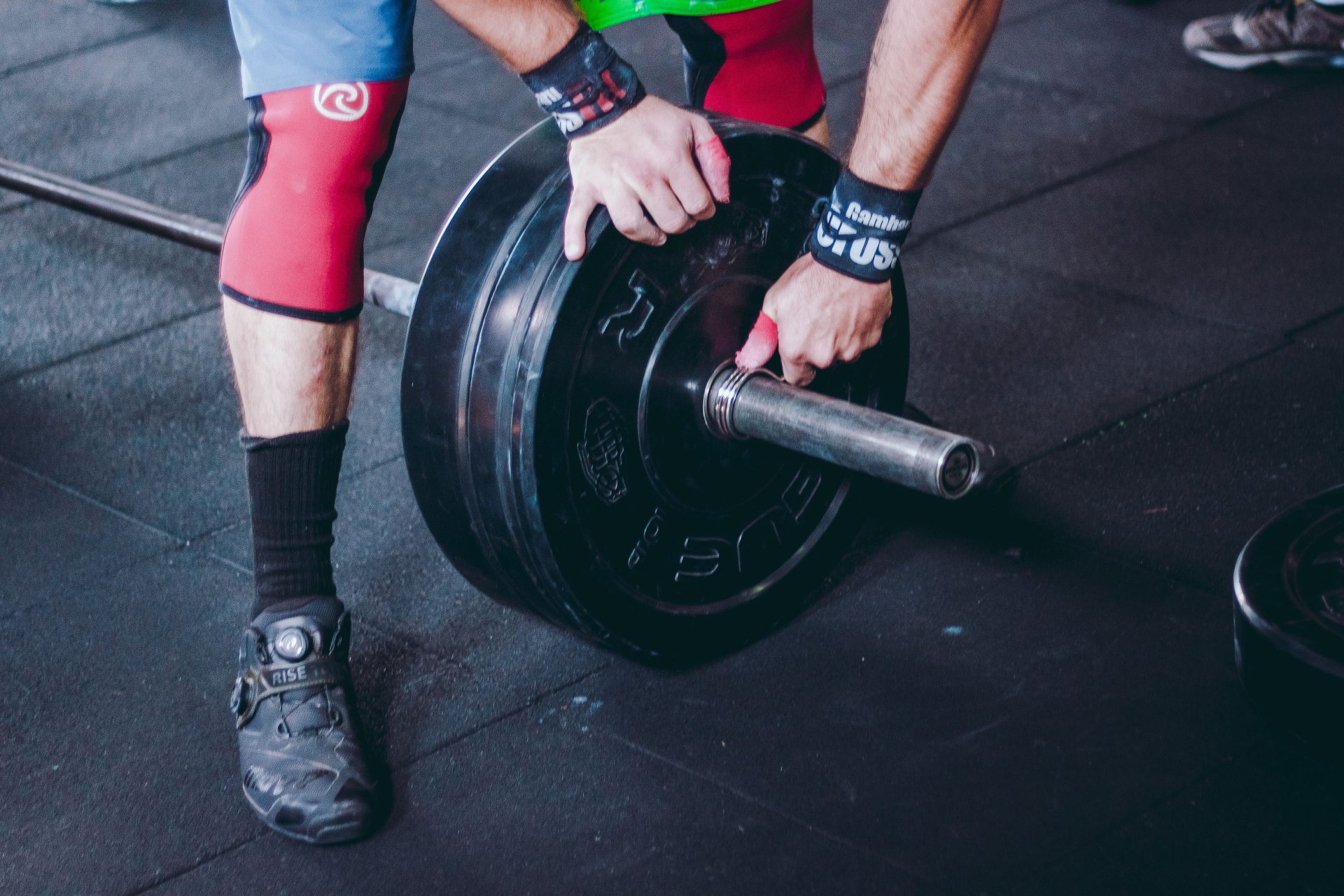
- Knee Sleeves: These are very common in the gym. Made from neoprene or similar stretchy materials, knee sleeves slide over your joint to provide compression. This compression can help keep the knee joint warm and may reduce stiffness and discomfort during exercise. They’re especially useful for squats, lunges, and exercises that involve deep knee bends. They can also provide a sense of stability and improve proprioception, your body’s awareness of its position in space.
- Elbow Sleeves: Like knee sleeves, elbow sleeves offer compression and warmth to the elbow joint. They’re particularly useful for lifters who do a lot of pressing movements, such as the bench press or overhead press, as well as exercises like bicep curls that can stress the tendons around the elbow. By keeping the joint warm and supported, they can make training more comfortable during repetitive movements.
- Wrist Wraps: Your wrists have many small bones and ligaments, making them vulnerable to injury under heavy loads. Wrist wraps are long strips of fabric that you wrap around your wrist for external support. This helps keep the wrist in a more neutral, stable position during pressing movements, reducing excessive extension that could contribute to injury.
- Lifting Belts: A lifting belt isn’t meant to be worn throughout your entire workout. It increases intra-abdominal pressure during very heavy compound lifts such as squats and deadlifts. When you brace your core against the belt, you create a more rigid, stable torso, which can help you manage the forces on your spine. It’s a tool for supporting heavy lifting, not a substitute for proper technique or core engagement on lighter sets.
Caring for Your Athletic Wear
Buying quality gear is only half the battle.
You also need to care for it properly to keep it effective and last as long as possible.
Athletic wear, especially supportive items such as neoprene sleeves and wraps, needs specific care to maintain its elasticity and structure.
Sweat, bacteria, and friction from use can degrade fabrics over time if you don’t clean and store them properly.
The first rule is to let your gear air out straight after a workout.
Don’t leave damp sleeves or wraps crumpled in your gym bag.
That creates an environment where bacteria can thrive and can lead to unpleasant smells that are difficult to get rid of.
Hang them up or lay them flat in a well-ventilated area to dry completely.
For washing, always check the manufacturer’s care label.
Many neoprene items, such as knee and elbow sleeves, should be hand-washed in cool water with a mild detergent.
Machine washing, especially on a hot cycle, can damage the material and adhesives, causing the sleeve to lose its compression.
Proper laundering of athletic clothing is important.
For general gym clothes, turn them inside out before washing to protect colours and any printed designs.
Avoid using fabric softener, as it can affect the performance of technical fabrics and reduce their ability to wick away moisture.
For drying, air-drying is almost always the best option for protective gear.
The high heat of a tumble dryer can shrink materials, affect their shape, and break down elastic fibres.
By following these simple steps, you’ll protect your investment and keep your gear providing the support you rely on.
Evaluating Performance and Comfort
Once you have your gear, regularly check that it’s working as it should.
The right equipment should feel supportive without being too tight.
It should improve your workout, not get in the way.
Comfort is a key sign of a good fit.
A knee sleeve that constantly slides down your leg is too loose to stay secure, while one that leaves deep, painful marks or causes numbness or discomfort may be too tight.
Protective gear should feel snug and secure, moving with your body instead of against it.
Pay attention to how your body feels during and after use.
Do you notice less discomfort in the supported joint after your workout?
Do you feel more stable and confident during a heavy lift?
These can be signs that the equipment is working well for you.
On the other hand, if you experience new pain, chafing, or discomfort, the fit may be wrong, or the product may not suit your needs.
Don’t be afraid to try different sizes or brands until you find what works for you.
Just as you might try on several pairs of running shoes, you may need to test a few types of wrist wraps to find the right level of stiffness and support.
Finally, all gear has a lifespan.
Over time, elastic materials will stretch out, and supportive structures will lose their firmness.
Regularly check your equipment for signs of wear and tear, such as thinning fabric, stretched-out elastic, or frayed seams.
Worn-out protective gear can reduce support and give you a false sense of security.
Whether you’re selecting the best home gym equipment or personal accessories, knowing when to replace an item is an important part of keeping your training environment safe.
Choosing the right protective gear is a personal process that requires you to be in tune with your body and your training goals.
By investing in quality pieces and caring for them properly, you give yourself the tools needed to train safely and build a stronger, more resilient body over time.
Hope you’ve found our article, Maximising Your Workout: Essential Gear for Protection useful.
Thank you for taking the time to read my post. If you’d like to add a comment or thought on this post, please use the comments section below. I can also be contacted via the online contact form. Keep up to date with the latest news on social media.