
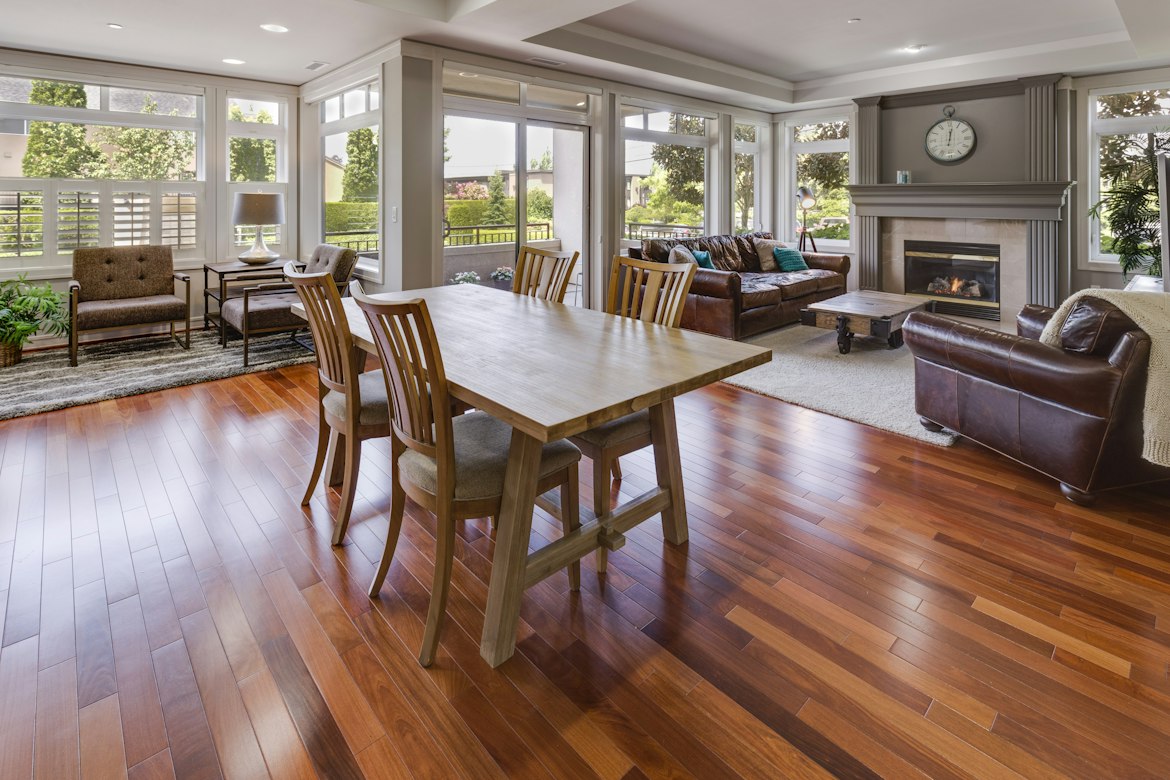
The flooring in your home isn’t just something you walk on; it’s a big part of your living space that puts up with daily life.
Picking out new flooring is a fun part of redecorating, but while looks are important, the real test of a good investment is how tough it is.
Choosing a floor that can handle time, foot traffic, and all sorts of chaos will save you money and headaches down the road, making sure your home looks great for years.
Why Durability Matters
Thinking about durable flooring is a smart move for your wallet.
A cheaper, less sturdy option might look good at first, but it often ends up costing more in the long run with repairs, refinishing, or even needing a full replacement.
A floor that shrugs off scratches, dents, and stains keeps its good looks and value, adding to your home’s appeal and saving you from that endless cycle of upkeep.
Beyond the budget, tough flooring just gives you peace of mind.
In a busy home with kids, pets, and lots of visitors, spills, scuffs, and dropped items are bound to happen.
A resilient floor can take all this daily wear and tear without showing immediate damage.
That means less time stressing about protecting your floors and more time simply enjoying your home.
It’s all about choosing a foundation for your home that’s as strong and dependable as it is beautiful.
Top Durable Flooring Materials
When we talk about durability, not all flooring materials are created equal.
Luckily, modern manufacturing has given us some fantastic options that mix toughness with style and a friendly price tag.
- Laminate Flooring: This one’s a popular pick for good reason. Built in layers, its top wear layer is made to resist scratches, impacts, and fading. It’s an affordable way to get that real wood or stone look without all the fuss.
- Luxury Vinyl Tile (LVT): LVT has become a go-to for durability, especially in damp spots like kitchens and bathrooms. It’s completely waterproof, feels soft underfoot, and is incredibly tough against dents and scratches. Plus, it comes in a huge variety of designs, so it’s super versatile.
- Durable Carpets: Don’t count out carpet for busy areas! Modern carpets, especially dense, low-pile styles like twist or loop piles, are built to last. Many now even come with built-in stain protection that repels spills, making them much easier to clean and keep looking fresh.
For example, big independent flooring stores often have a massive selection of discounted carpets, vinyls, and laminates.
You can find a great example of this kind of value at discounted carpets and flooring, where you can check out different materials and find something that fits your budget.
Choosing for High-Traffic Areas
Some spots in your home, like hallways, entryways, kitchens, and main living areas, see constant foot traffic.
These busy zones need flooring that’s specifically designed to handle the extra stress without looking worn out.
When you’re picking out the best flooring for a high-traffic area, you’ll want to find that sweet spot between how it looks and how practical it is.
For laminate, keep an eye out for a high AC (Abrasion Class) rating.
An AC3 rating is fine for general home use, but for hallways or busy living rooms, an AC4 or AC5 rating offers much better scratch and impact resistance.
With vinyl, its thickness and wear layer are key signs of how durable it is.
A thicker wear layer will give you better protection against scuffs and gouges.
If you’re leaning towards carpet, go for a solution-dyed nylon or a dense polypropylene pile; these are known for their strength and ability to bounce back from all that foot traffic.
Maintenance for Longevity
Even the toughest floor needs a little TLC to stay looking its best.
Good maintenance is simple and doesn’t have to take up a lot of time, but it can add years to your flooring’s life.
Putting doormats at all outside doors is your first line of defence, catching dirt, grit, and moisture before it gets tracked inside.
Regular sweeping or vacuuming (using the right setting for your floor type) stops abrasive bits from building up and scratching the surface over time.
It’s also super important to clean up spills right away to prevent stains or water damage.
For materials like laminate and vinyl, using proper cleaning techniques is crucial to avoid damage from moisture or harsh chemicals.
Often, a simple damp mop is all you need.
For carpets, a regular vacuuming schedule and an occasional professional deep clean will keep the fibres fresh and bouncy.
By choosing the right material for your lifestyle and sticking to a simple maintenance routine, you’ll make sure your flooring stays a durable and attractive part of your home for a very long time.
Hope you’ve found our article, Durability: Investing in Long-Lasting Floors useful.
Thank you for taking the time to read my post. If you’d like to add a comment or thought on this post, please use the comments section below. I can also be contacted via the online contact form. Keep up to date with the latest news on social media.