
Ever stopped to think about what makes a park, a town square, or even just your local high street a nice place to be?
Often, it’s those small, thoughtful details that turn a simple public area into a space that truly works for everyone.
From where a bench is placed to how good the lighting is, smart design is what makes public spaces feel welcoming, safe, and easy for all of us to use.
When these spots are designed with care, they become more than just places to pass through; they become the heart of a community.
They encourage people to connect and generally make our lives better.
Let’s dive into some of the key ingredients that go into making public spaces that genuinely serve us all.
The Power of Inclusive Design
Basically, inclusive design is all about creating environments that as many people as possible can use, no matter their age, ability, or background.
It’s a way of thinking that puts people first, recognising that there’s no such thing as an “average” person.
A space designed for a young, able-bodied adult might be completely impossible for a parent with a pushchair, an older person who can’t move around easily, or someone who can’t see well.
Real inclusivity means more than just adding a ramp as an afterthought.
It involves thinking about what different users need right from the very start of the design process.
This could include things like:
- Smooth, level paths: Making sure there are no unnecessary steps or kerbs that could block wheelchair users or people pushing prams.
- Tactile paving: These textured ground surfaces help people with visual impairments find their way safely, warning them about upcoming crossings or steps.
- Clear signs: Using big, high-contrast text and universal symbols makes information easier for everyone to understand.
- Plenty of seating: Providing lots of places to rest helps older adults, pregnant women, and anyone who just needs a moment to pause.
By focusing on these elements, we can create spaces that don’t leave anyone out.
The power of inclusive design is that it often leads to solutions that are better for everyone, not just the specific group they were first thought of for.
Street Furniture: More Than Just Seating
When we hear “street furniture,” most of us probably picture park benches.
And while seating is super important, street furniture actually covers a much wider range of items that help shape and improve a public space.
This includes bins, planters, bollards, bike racks, and shelters.
Each piece plays a role in how we experience our surroundings.
Carefully chosen street furniture subtly but significantly shapes the user experience.
For example, having lots of well-placed bins encourages people to keep the area tidy.
Attractive planters can bring nature into a city setting, making the landscape softer and boosting our well-being.
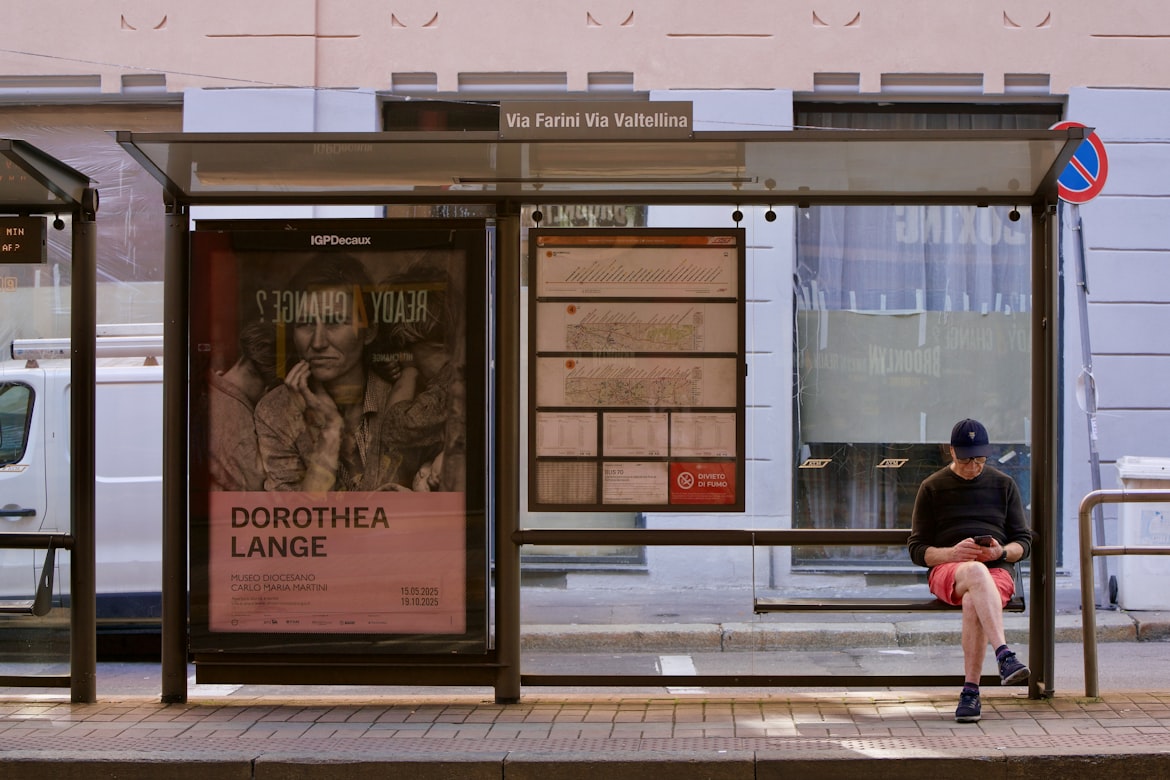
A well-designed bus shelter offers more than just protection from the rain; it gives people waiting a sense of security, a spot to rest tired legs, and can even include features like real-time transport info or USB charging points.
The materials, colour, and style of the furniture also add to the overall feel of a place, helping to create a unique and pleasant identity.
Creating Safer Public Environments
Feeling safe is absolutely essential if you’re going to enjoy a public space.
If an area feels threatening or poorly lit, people will simply stay away, especially after dark.
Luckily, many aspects of safety can be built right into the design of an environment.
This idea is often called ‘designing out crime’.
One of the best ways to do this is to ensure good visibility.
This means avoiding thick, tall bushes or structures that create hidden corners where people might feel vulnerable.
Instead, open layouts allow for “natural surveillance,” meaning people can see and be seen, which naturally discourages anti-social behaviour.
Lighting is another crucial factor.
A well-lit path, park, or public square not only makes it easier to see where you’re going but also creates a much greater sense of security.
Modern LED lighting is energy-efficient and can be directed exactly where it’s needed, cutting down on light pollution while making things safer.
Paying attention to often-overlooked health and safety features can also help designers identify practical details that reduce everyday risks.
By following established design principles that help prevent crime, councils and developers can make our communities feel much safer without turning them into fortresses.
Maintaining Public Amenities Effectively
A beautifully designed public space can quickly become unpleasant if it’s not looked after properly.
Overflowing bins, broken benches, or graffiti-covered walls send a message that the area is neglected.
This can then lead to a downward spiral of misuse and decay.
So, effective and consistent maintenance is just as important as the initial design.
This all starts with choosing the right materials.
For street furniture and surfaces, durability and how easy they are to clean are key.
Materials like stainless steel, high-pressure laminates, and specially treated timber stand up well to weather and vandalism, making them easier to care for in the long run.
Smart design can also simplify maintenance tasks.
For instance, designing bins that are easy to empty or benches with surfaces that are simple to wipe clean can make a big difference to how efficiently upkeep is done.
Overall, a clear and well-funded maintenance plan is vital for keeping our public spaces in good shape.
Regular cleaning schedules, quick repairs, and community reporting systems all help keep these shared assets in great condition for everyone to enjoy, and they help create healthy, lively public spaces.
The Role of Modular Systems
You might be surprised to learn that many of the structures you see in public spaces, from seating arrangements to bike hubs, are built using modular systems.
This means using pre-made, standardised parts that can be put together on-site in all sorts of ways.
Think of it like building with high-quality, life-sized Lego bricks.
This method offers some big advantages.
First, because the parts are made in a controlled factory environment, the quality is consistently high.
This is often more reliable than building everything from scratch on-site, where weather and other variables can cause problems.
Second, it’s often quicker and more affordable.
Putting it all together on-site is fast, which means less disruption for the public.
The flexibility of modular systems is another major plus.
A council could install a simple seating area and then easily add planters, a canopy, or extra sections later on as needs change or budgets allow.
This adaptability makes modular design a smart and sustainable choice for our ever-changing urban environments, allowing public amenities to grow and change with the community they serve.
Next time you’re out and about, take a moment to really look at the details of the public spaces around you.
The thoughtful design choices that make them functional, safe, and welcoming are what elevate them from simple patches of land into valuable community assets.
Hope you’ve found our article, Enhancing Public Spaces: Design That Works for Everyone useful.
Thank you for taking the time to read my post. If you’d like to add a comment or thought on this post, please use the comments section below. I can also be contacted via the online contact form. Keep up to date with the latest news on social media.