
Artificial intelligence is quickly changing how we do creative tasks.
It’s no longer just a futuristic idea, but a practical tool for everyday digital design.
AI gives creators, marketers, and small business owners new ways to produce content, test ideas, and improve their workflows.
It’s not about AI replacing human creativity, but making it better, helping us bring ideas to life faster and more easily than ever before.
The Rise of Generative AI
For a long time, AI was mostly about looking at data or doing the same tasks over and over.
But then generative AI came along and changed things a lot.
Unlike older AI systems that could only understand existing information, generative AI can make completely new stuff.
This includes text, pictures, music, and code that is fresh and makes sense.
These systems are trained on large datasets to identify patterns in text, images, audio, and other forms of content.
It finds patterns, styles, and structures, then uses what it learned to create new things based on what a user asks for.
This process has become incredibly advanced, often making content that’s hard to tell apart from what a person made.
Experts are watching closely how generative AI is changing creative work.
They see its potential to work like a co-pilot for designers and writers.
This way of working together lets creators try out more ideas faster, get past creative blocks, and improve their vision with an intelligent helper.
The technology is redefining content creation by making good quality design and marketing materials available to many more people.

AI in Visual Content Creation
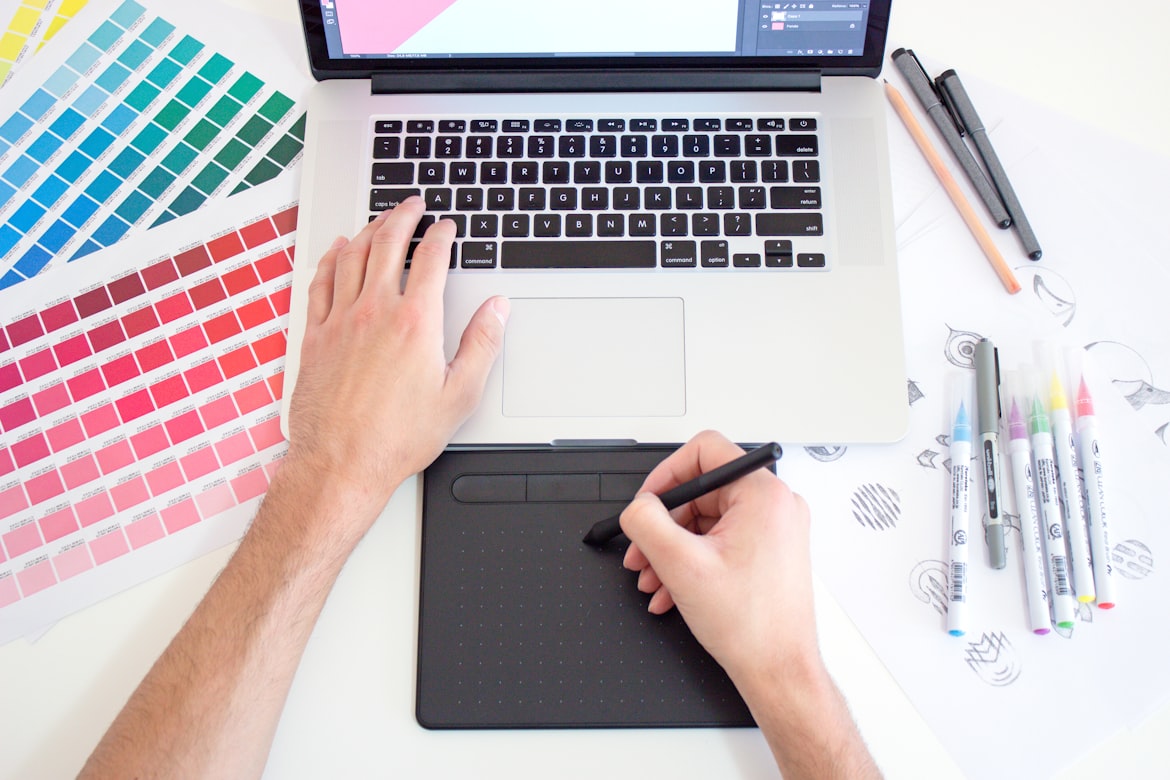
One of the biggest ways AI is making an impact is in visual design.
If you run a blog, manage social media, or start a small business, it’s always tough to keep making lots of good visuals.
This is where AI tools are really making a difference.
Instead of spending hours looking for the right stock photo or paying a graphic designer for every little job, you can now create custom images just by typing a simple description.
These tools let you describe the image you want in plain English.
You can say what you want in it, the style, the colours, and the mood.
The AI then understands what you’re asking for and gives you several picture options in seconds.
This isn’t just fast; it also lets you change things endlessly.
You can tweak your descriptions to make the image exactly what you imagined.
Many powerful AI image generation tools are out now, and they’re easy to use, so you don’t need any special tech skills.
The ability of AI to shape visual content creation is especially handy for making unique blog banners, social media graphics, and even product mockups.
This gives smaller brands a professional look without needing a big budget.
Beyond Images: Video and Audio
AI’s creative power goes way beyond just still pictures.
The technology is also making big steps in video and audio production.
These used to be areas only for highly skilled pros with expensive gear.
Now, AI can help with everything from editing videos to writing music.
For example, AI tools can look at long videos, like a webinar or interview, and automatically find the most interesting parts.
Then, it can turn these clips into short videos perfect for places like Instagram or TikTok, adding captions and the right look.
This saves content creators a huge amount of time and effort after filming.
In audio, AI can make realistic voiceovers in many languages and accents.
This means you don’t need to hire voice actors for every project.
There are also AI music makers that can create background music that’s free to use, matching the mood and length of your video.
This lets creators add professional sound to their content without worrying about complicated music licenses or high costs.
The technology is making it easier and smoother to produce multimedia.
Ethical Considerations in AI Art
Like any strong new technology, AI’s growth in creative fields brings up a lot of ethical questions.
One of the main discussions is about who owns what and copyright.
When an AI makes a picture, who owns it?
Is it the person who typed the request, the company that made the AI, or is it free for everyone to use?
These questions are still being figured out by courts and lawmakers worldwide.
There’s also worry about the information used to teach these AI models.
Many models learn from billions of images taken from the internet, often without the artists’ clear permission.
This has led to talks about paying creators fairly, since their work helps build these powerful tools.
Plus, there’s a serious concern about misuse, like making believable fake videos (deepfakes) or spreading wrong information.
This needs careful rules and responsible use.
It’s important for users to know about these issues and to use AI tools ethically, respecting intellectual property and not creating harmful content.
Making AI Tools Accessible
What used to be technology only found in labs and big tech companies is now easily available to everyone.
More and more AI creative tools are offered through simple online platforms, often with free or cheap subscription options.
This makes AI accessible to more people, allowing individuals and small teams to create professional-level content that they couldn’t before.
Many of these tools are made for people who aren’t tech experts, with easy drag-and-drop interfaces and simple text prompts.
They’re also being built right into software people already use, like graphic design programs and video editors.
This smooth integration means you don’t have to learn a whole new set of skills to start getting benefits from AI.
The future of creative development seems to be a mix where AI helps and adds to human skills, instead of taking over.
As the technology keeps getting better and easier to use, it will likely become a key part of how creative work gets done today.
Ultimately, artificial intelligence isn’t here to take over the creative world.
Instead, it’s becoming a strong partner within it.
By handling repetitive tasks and offering new ideas, AI lets human creators focus on what they do best: planning, telling stories, and bringing a unique emotional touch to their work.
Hope you’ve found our article, Creative Content: How AI Transforms Digital Design useful.
Thank you for taking the time to read my post. If you’d like to add a comment or thought on this post, please use the comments section below. I can also be contacted via the online contact form. Keep up to date with the latest news on social media.