
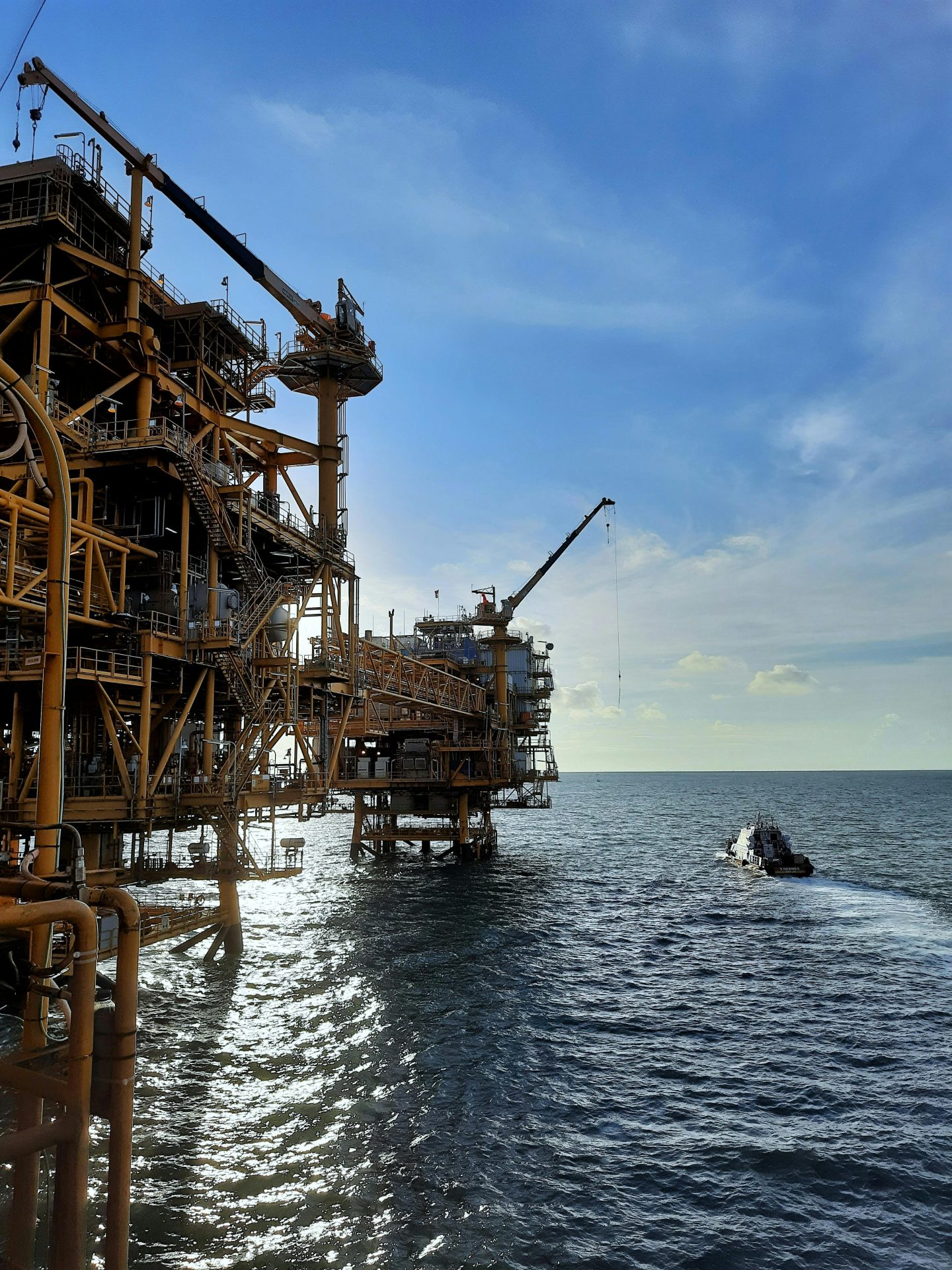
Offshore construction projects can be challenging.
That could be an understatement, you may think as a business owner.
From figuring out logistics to site issues that you didn’t see coming, there’s a lot to consider, both operational and financial.
Risk management can be considered a business strategy when you think about it.
The Connection between Construction Risk And Business Results
When it comes to offshore construction risk, it’s often the operational side that’s the focus.
But the impact goes beyond that.
Project challenges can affect budgets, timelines, and how the project overall performs.
As offshore projects often involve large investments, veering off deadline or changes to one of the many moving parts can be a setback with costly results.
There are many things that can create delays or make work more difficult.
For example, the weather can cause delays.
So too can unexpected seabed conditions that change installation plans.
Approval processes can take a long time, and coordinating teams and vessels can be challenging.
Addressing these issues sooner rather than putting them off can help you stay within budget.
It can also improve the use of workers and equipment, and reduce delays to help control costs.
Plan Early to Get Better Project Results
One of the best ways to reduce offshore construction risk is to take the time to plan before beginning any offshore activity.
Early planning gives project teams more time to identify constraints, consider alternatives, and develop sensible execution strategies.
Front-end planning and pre-construction assessment enable engineering teams to better understand operational requirements and identify conditions that may affect installation or construction activities later.
At this stage, hearing the views and suggestions of engineering, marine operations, commercial, and project management teams usually makes sense.
For projects happening within complex marine environments, some businesses use specialized marine assessment and mitigation planning early on in project development.
Approaches such as UXO risk mitigation offshore can help teams identify potential hazards before construction starts and make more informed decisions as the project moves forward.
By being more prepared, teams are typically better able to adapt and stay on schedule.
Use Better Site Information to Lower Risk
Having accurate details about the project site helps reduce uncertainty and improve decision-making throughout offshore construction projects.
A better understanding of marine conditions allows teams to plan more effectively and lowers the chances of unexpected problems once work starts.
Teams usually use site surveys, historical records, marine assessments, and inspection tools.
These sources can give a clearer picture of project conditions by identifying seabed conditions, environmental factors, and other factors that can affect construction.
Once teams better understand what they’re dealing with, you can take steps to reduce risks before offshore work begins.
That may include changing construction methods, adjusting the order of work, or otherwise changing project plans.
Conclusion
Lowering offshore construction work is important to project success.
Early planning and better site information can help teams prepare before work starts, and ideally, risk management continues throughout the project.
Because offshore conditions can change quickly, regular monitoring and good communication are important.
Over time, companies can learn from past projects and become more proactive to improve project delivery and business performance.
Hope you’ve found our article, Business Strategies to Reduce Offshore Construction Risk useful.
Thank you for taking the time to read my post. If you’d like to add a comment or thought on this post, please use the comments section below. I can also be contacted via the online contact form. Keep up to date with the latest news on social media.