
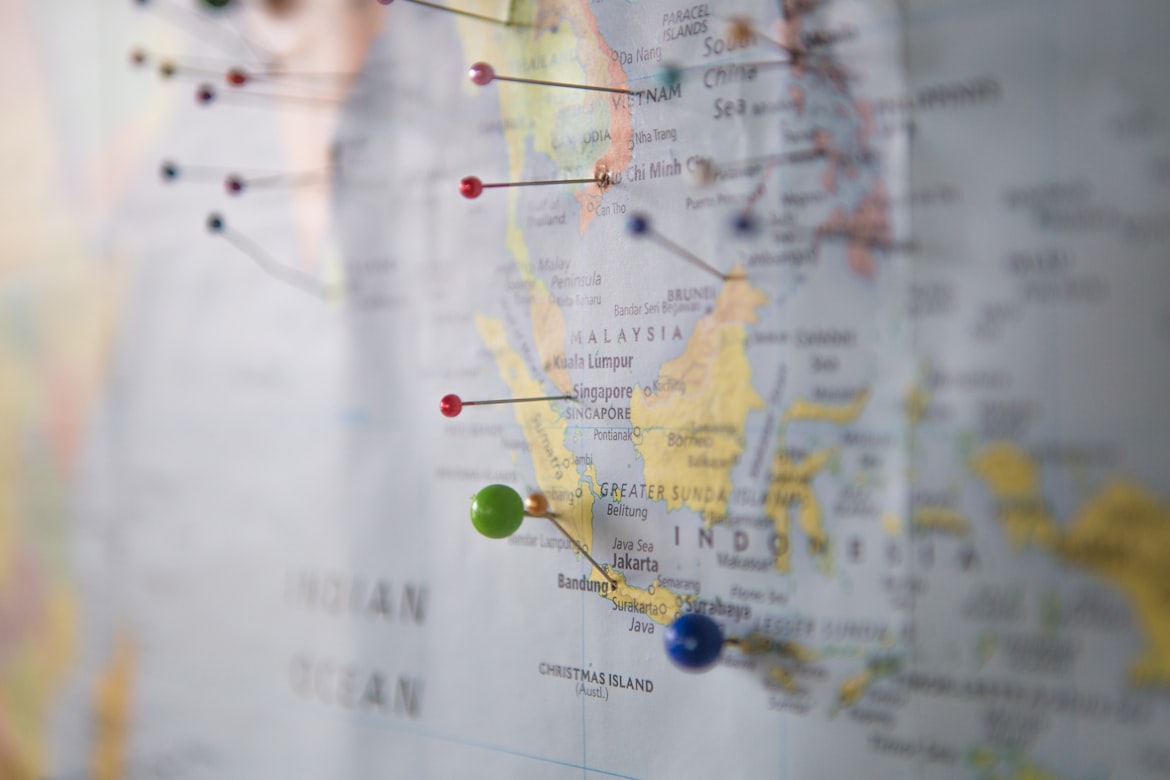
A relaxing holiday can quickly turn into a logistical nightmare if you don’t plan ahead.
Whether it’s a weekend getaway or a two-week adventure, planning a trip means juggling bookings, budgets, and itineraries.
A structured approach not only saves money but also helps you truly switch off and enjoy your time away.
With a few simple strategies, you can turn holiday planning from a stressful chore into an exciting part of the journey itself.
Start Early for Best Deals
Leaving your travel arrangements until the last minute is a sure way to pay more than you need to.
Airlines and train operators often use dynamic pricing, which means prices go up as demand increases and the departure date gets closer.
For the best deals on transport and accommodation, try to book at least two to three months in advance, especially if you’re travelling during peak season or school holidays.
Planning early also gives you more choices.
The best-value hotel rooms and most convenient flight times are always the first to go.
By getting organised ahead of time, you can compare options without feeling rushed.
A simple timeline can help with this; this stress-free holiday planning guide offers a useful guide for when to tackle each task, from initial research to final packing.
Crafting a Realistic Budget
Your holiday budget is your financial roadmap.
It stops you from overspending and makes sure you can afford the experiences you want.
Start by listing all your potential expenses: transport, accommodation, food, activities, souvenirs, and a little extra for unexpected costs.
Research average prices at your destination to make your estimates as accurate as possible.
Once you have a total figure, you can work backwards to create a savings plan.
Breaking the total cost down into a weekly or monthly savings goal makes it feel much more achievable.
Use a simple spreadsheet or a budgeting app to track your spending while you’re away.
This helps you stay on track and avoid that dreaded post-holiday bank statement shock.
Car Rental Without the Hassle
Hiring a car offers freedom and flexibility, but it can also bring unexpected problems.
One common issue travellers face is the large security deposit many rental companies require.
This can tie up a significant amount of money on your credit card, sometimes for weeks after you’ve returned the vehicle.
This is particularly frustrating when you have other holiday expenses to cover.
Before you book, it’s smart to understand the different policies available.
Some companies are offering more flexible options that reduce the financial burden on the renter.
It’s worth comparing the details of a zero deposit car rental vs traditional deposit to see which approach better suits your budget and travel plans.
Always read the terms and conditions carefully to check for mileage limits, fuel policies, and any potential extra fees, so you avoid surprises at the rental desk.
Accommodation Choices Simplified
Choosing where to stay is one of the most important decisions you’ll make.
Your accommodation sets the tone for your trip, so it’s vital to find a place that fits your needs.
Hotels offer convenience with services like housekeeping and on-site restaurants, making them ideal for shorter trips or travellers who prefer a hassle-free experience.
For longer stays, families, or larger groups, a holiday let or apartment can be more cost-effective and provide a more authentic, local experience.
These options often come with kitchen facilities, giving you the flexibility to prepare your own meals and save money on dining out.
When deciding, consider the location, amenities, and reviews from previous guests.
A well-chosen base can make all the difference between a good holiday and a great one.
Essential Travel Insurance
While it might feel like an unnecessary expense, travel insurance is a non-negotiable part of any trip.
An unexpected illness, accident, or cancellation could leave you facing enormous bills without it.
A good policy provides a safety net, covering everything from emergency medical treatment to lost luggage and flight disruptions.
Don’t just pick the cheapest option.
Read the policy document thoroughly to understand what is and isn’t covered.
Check the excess amount, or the sum you have to pay towards any claim, and make sure the level of cover is right for your destination and planned activities.
If you’re planning any adventure sports, you might need to add extra cover.
Having the right insurance means you can relax, knowing you’re protected if things don’t go to plan.
A well-planned trip allows you to focus on what truly matters: making memories with the people you care about.
By getting organised from the start, you set yourself up for a smooth and enjoyable holiday.
Hope you’ve found our article, Your Guide to Stress-Free Holiday Planning useful.
Thank you for taking the time to read my post. If you’d like to add a comment or thought on this post, please use the comments section below. I can also be contacted via the online contact form. Keep up to date with the latest news on social media.