
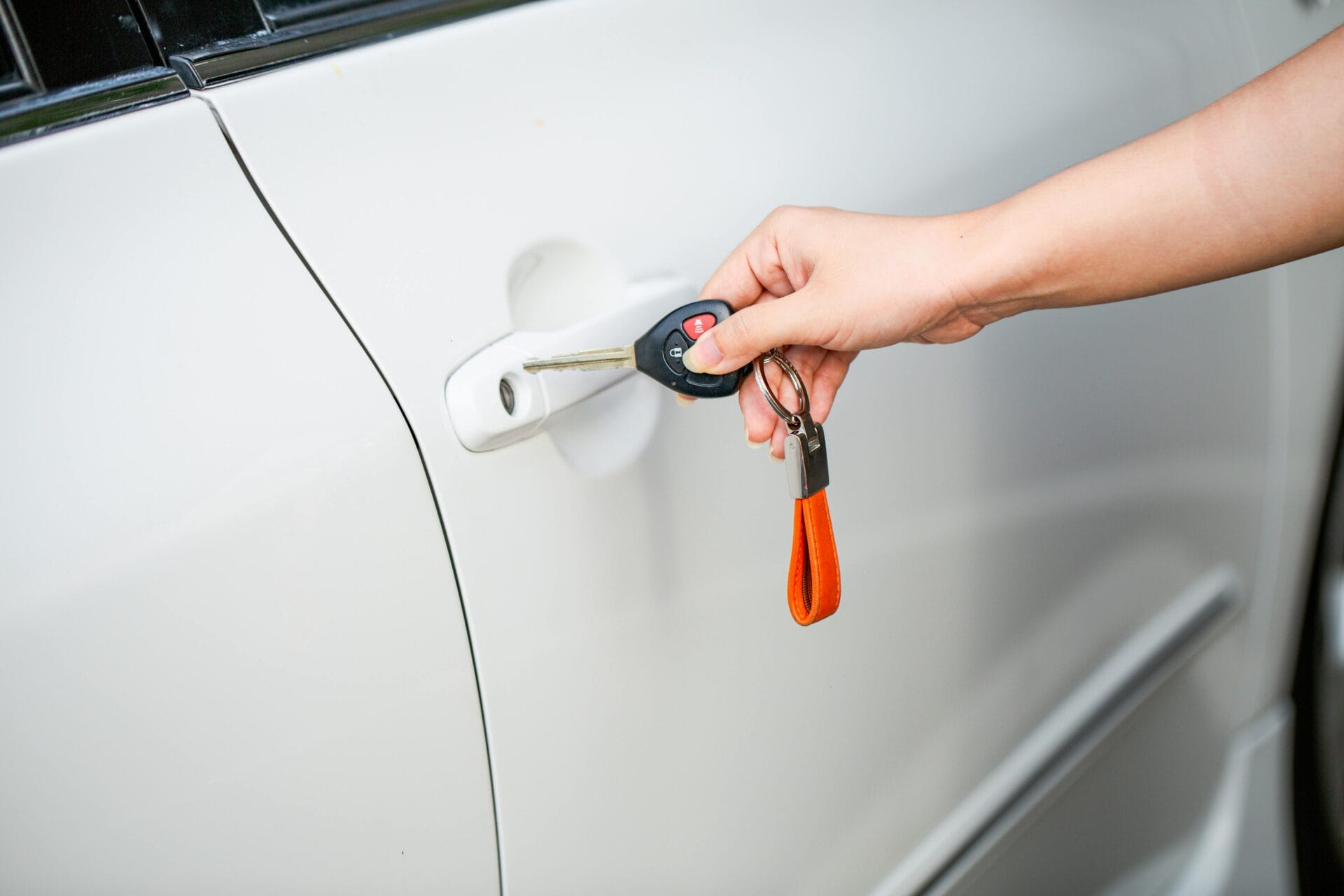
A good-looking used car at a fair price can make anyone eager to buy.
But looks can be misleading.
If you move too fast based on first impressions, you might miss serious problems.
Those problems don’t just cost money to fix—they can create debt and legal headaches.
Slow down and look past the surface.
Every used car transaction carries some uncertainty, but the biggest financial pitfalls are easily avoided with a little preparation.
Instead of relying on a seller’s word, gather the hard data first.
Arm yourself with the facts by completing a free VIN check before you enter negotiations—it puts you in the driver’s seat and ensures the price reflects the car’s true history.
This simple step reveals critical details about the car’s past, helping you avoid surprises and ensuring you know exactly what you’re considering purchasing.
1. The Cardinal Sin: Skipping the Vehicle History Check
Never trust a car’s look.
A shining layer of paint does not indicate whether it has been destroyed or flooded.
The VIN, a 17-character identifier that is unique to each vehicle, tells the true tale.
You must search it up online using a reliable VIN checker.
It takes two minutes and gives you the entire history.
This is how to avoid purchasing a car with pricey hidden flaws.
While a basic check is often free, a comprehensive history report is a small price for total peace of mind.
Before you buy, you should verify:
- Outstanding Finance: The most critical check. If you buy a car with money still owed, the finance company can repossess it, leaving you with nothing.
- Stolen Status: Ensure the vehicle isn’t stolen. Buying a stolen car means you’ll lose both the vehicle and your money when it’s returned to the police.
- Mileage Discrepancies: Odometer fraud is still common. A history check compares MOT and service records to flag any suspicious rollbacks.
- Write-Off Categories: If a car was previously written off, repairs may be substandard. A history check reveals its category (A, B, S, or N) so you know the extent of past damage.
2. Only Trusting the Seller’s Word
While the majority of private sellers are straightforward, the rule when buying used is simple: trust, but verify.
A seller’s word isn’t legally binding, and verbal promises won’t help you if an issue surfaces later.
Documentation is the only thing that matters.
Service History
A full service history (FSH) with stamps and receipts is a great sign.
Look for regular annual or mileage-based services.
A patchy history could mean missed maintenance.
MOT Certificates
In the UK, you can check a vehicle’s MOT history online for free using its registration number.
This shows past failures, advisories, and mileage at each test.
Compare this with what the seller tells you.
Receipts for Work
Receipts for recent major work (like a new clutch or timing belt) are valuable, as they are costs you won’t have to bear.
3. The “Too Good to Be True” Price
If an automobile is much less expensive than identical models on the market, you should be very skeptical.
An extremely low price might be an incentive to sell an automobile fast before its flaws are found.
It might be a clone (a stolen automobile disguised as a comparable legal car), an insurance write-off that was not properly fixed, or a concealed mechanical issue.
Always look up the market value for the precise make, model, year, and miles to determine what a reasonable price should be.
4. Skimping on a Professional Inspection
Don’t skip a professional inspection just because the history is clear and the test drive was okay.
If you’re spending a lot, it’s a no-brainer.
Get the RAC or AA to check it over.
A mechanic will spend hours checking the whole car and give you a report.
Or you can just ask the seller if you can take it to your own local garage.
Most sellers will say yes if they have nothing to hide.
The inspection costs may be an hour’s labour.
But it could find things you missed, like suspension wear, a clutch that’s going, or old crash repairs that weren’t done properly.
5. Ignoring the Test Drive and Visual Inspection
Think of a test drive as your chance to play detective.
A quick loop around the block just won’t cut it.
- See It From a Cold Start: Ask the seller to have the car ready before they start it. A cold engine reveals all its secrets—like difficult starting or smoke from the tailpipe—that a warm engine can hide.
- Mix Up Your Driving: Get it on the highway and some side streets. How does it sound when you accelerate hard? Does it make any strange clunks when you go over a pothole? This is how you find the hidden issues.
- Become an Electronics Tester: Don’t just turn on the radio. Spend the time to check every single button and switch. If the heated seats or the rear defroster don’t work, that’s a bargaining chip (or a reason to walk away).
- Put on Your Visual Inspector Hat: Walk around the car slowly. Do all the body panels line up perfectly? Is the paint color consistent in the light? Inside, a shiny, worn-out steering wheel or pedals are big red flags that the mileage might not be accurate.
6. Rushing the Payment and Paperwork
Once you’ve decided to buy, don’t rush the paperwork.
Never pay large amounts in cash—bank transfers leave a trail.
Check the V5C logbook first.
The seller’s name should be on it.
If they say they’re selling it for someone else, watch out.
Used car buying is safer if you’re methodical.
Ask questions and run a VIN check. It’s the easiest way to protect your money.
Conclusion
The reality is that most costly mistakes when buying a used car happen because people skip the basic checks.
A VIN check takes minutes.
A full history report costs very little.
A mechanic’s inspection is a small expense.
Skip them, and you might end up with a car that has hidden debt, previous crash damage, or legal problems.
Do the checks or pay the price—it really is that straightforward.
Hope you’ve found our article, Why Vehicle Identification Numbers Matter for Safety useful.
Thank you for taking the time to read my post. If you’d like to add a comment or thought on this post, please use the comments section below. I can also be contacted via the online contact form. Keep up to date with the latest news on social media.