
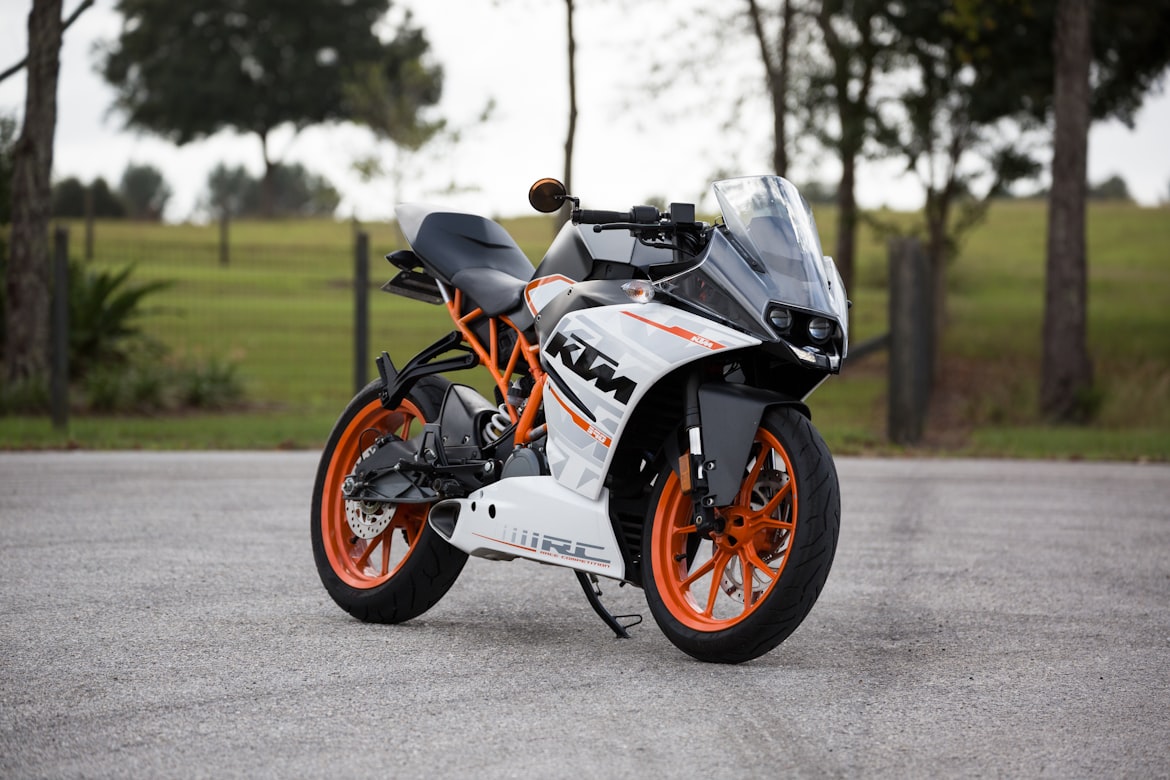
Riding a motorbike offers a sense of freedom few other experiences can match.
But that freedom can quickly turn to frustration if you find yourself stranded at the side of the road with a mechanical problem.
This is where breakdown cover becomes an essential part of your riding toolkit, providing a safety net when things go wrong.
Understanding your options is the first step to ensuring you have the right support when you need it most.
Why You Need Breakdown Cover
A breakdown can happen to any rider on any bike, no matter its age or how well it’s maintained.
Being left stranded, especially in bad weather or an unfamiliar area, is more than just an inconvenience.
It can be a real safety concern.
Unlike in a car, you’re completely exposed to the elements and have very limited space to carry the tools needed for a complex roadside repair.
While your standard insurance is a legal requirement for being on the road, it typically only covers incidents like accidents or theft.
It won’t help if your battery dies, you get a puncture you can’t fix, or the engine develops a fault.
For complete protection, many riders add breakdown assistance and other forms of specialist cover for motorbike enthusiasts to their main policy, making sure they’re never left in a difficult situation.
Ultimately, breakdown cover helps you manage risk.
The annual cost of a policy is often much less than what you might pay for a single emergency call-out and recovery vehicle, especially if you need to be transported a long distance.
It offers a reliable solution, connecting you with professional mechanics who can either fix your bike at the roadside or get you and your machine to a safe place.
Types of Cover Explained
Breakdown policies aren’t all the same.
They usually come in tiered levels, with the price increasing as more features are added.
Knowing what each level includes is crucial to avoid paying for cover you don’t need or finding yourself underinsured in an emergency.
You’ll typically find these main types of cover:
- Roadside Assistance: This is the most basic level. If you break down, a mechanic will be sent to your location to try and repair your motorbike at the roadside. This service typically operates if you are more than a certain distance from your home, often a quarter of a mile. If the bike can’t be fixed, it will usually be towed to the nearest garage.
- National Recovery: Also known as ‘Relay’ cover, this option includes everything from Roadside Assistance but adds a significant benefit. If your bike can’t be repaired at the roadside, the provider will transport you, your motorbike, and often a pillion passenger to any single destination in the UK. This could be your home, your original destination, or a specialist garage of your choice.
- Home Start: A standard breakdown policy often won’t cover you if your bike fails to start at your home address. Home Start is an add-on that provides assistance if you break down at or very close to your home. It’s especially useful for those frustrating issues like a flat battery on a cold morning.
- Onward Travel: This is the most comprehensive level of cover. Besides recovery, it helps you continue your journey if your bike needs to go to a garage for repairs. Depending on the policy, this could include the cost of a hire car, alternative public transport, or even overnight accommodation if you’re stranded far from home.
What to Look for in a Policy
When comparing breakdown policies, it’s crucial to look beyond the headline price and delve into the details of the policy documents.
What is and isn’t included can vary a lot between providers and will determine how useful the cover will be in a real-world scenario.
One of the first things to check is the list of exclusions.
Some policies may not cover faults they consider self-induced, such as running out of fuel or using the wrong type of fuel.
Others might restrict cover for older bikes or may not cover issues from a known pre-existing fault.
Always read the fine print to understand these limitations.
Pay close attention to the call-out limits.
Some cheaper policies may restrict you to a certain number of call-outs per year.
Also, check if there’s cover for a pillion passenger.
If you frequently ride with someone, you’ll want a policy that ensures they can also be transported as part of the onward travel or recovery arrangements.
Another key detail is the geographical limit.
Most standard policies cover the UK, but if you plan to ride in Europe, you will need to ensure your policy includes this or buy it as an add-on.
Finally, check what the policy says about common rider mishaps like lost keys or tyre problems, as these are frequent reasons for call-outs.
Having the right automotive tools and accessories can also help you deal with minor issues yourself
Choosing the Right Provider
With a clear idea of the cover you need, the final step is choosing a provider.
The market includes large, well-known motoring organisations as well as smaller, specialist companies that focus solely on motorbikes.
Each has its own advantages.
Specialist providers often understand the unique needs of motorcyclists better.
Their recovery vehicles may be better equipped to handle bikes safely, and their network of mechanics may have more specific expertise.
General providers, on the other hand, often have larger networks and may offer bundled deals if you also have a car.
Before committing, it’s wise to research the provider’s reputation.
Look for independent customer reviews on third-party sites to get a feel for their reliability and customer service.
Pay attention to comments about response times and how effective their roadside repairs are.
You can check a company’s registration and history to ensure they are a legitimate and stable business.
The Financial Conduct Authority register is a good place to start for any UK-based financial services firm, including insurance and breakdown providers.
Finally, consider the balance between cost and value.
The cheapest policy is rarely the best if it comes with restrictive limits and poor service.
Compare the features of each policy against your personal riding habits to find a provider that offers the right level of protection at a fair price.
If you ever receive a service that you feel is subpar, it’s important to know your rights as a consumer.
Choosing the right breakdown cover is a small investment that can save you a great deal of stress and expense later on.
Take the time to review your options carefully, and you can ride on with the confidence that help is just a phone call away.
Hope you’ve found our article, Understanding Motorbike Breakdown Cover Options useful.
Thank you for taking the time to read my post. If you’d like to add a comment or thought on this post, please use the comments section below. I can also be contacted via the online contact form. Keep up to date with the latest news on social media.