
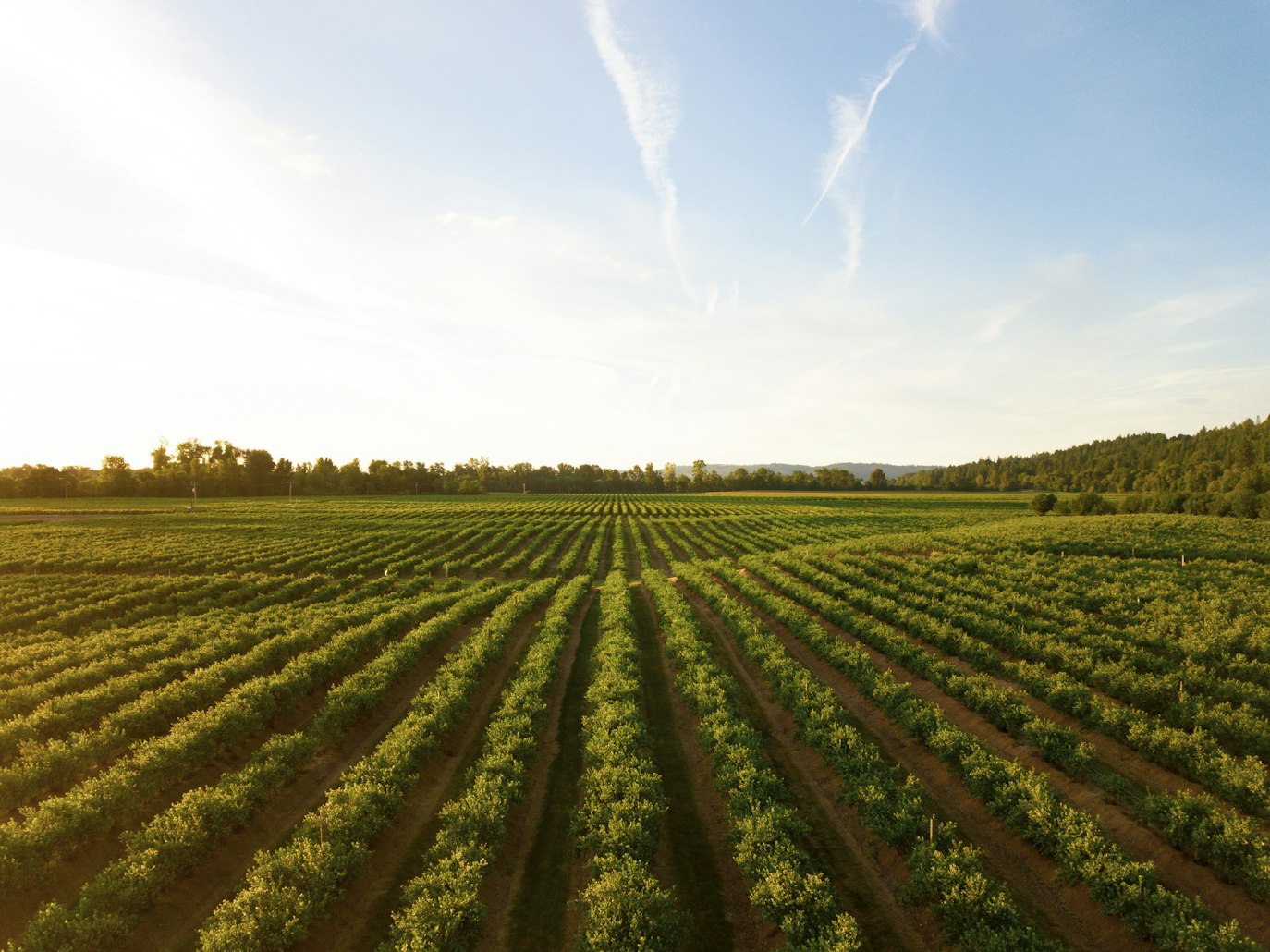
Modern farming is quietly changing, thanks to technology that makes everything smarter and more efficient.
This shift, often called ‘smart agriculture’ or ‘agri-tech’, isn’t just about futuristic robots.
It’s about using data and clever tools to make better decisions, save resources, and get bigger yields.
From the moment a seed goes into the ground until the harvest is stored, technology helps farmers work more effectively and sustainably.
This guide will show you how these new ideas are making both fieldwork and storage better.
What is Smart Agri-Tech, Anyway?
Smart agri-tech basically means using modern information and communication technologies in farming.
Think of it as giving the farm a ‘brain’. Instead of just relying on old ways and gut feelings, farmers can use a network of tools to gather exact data about their land and crops.
This includes things like:
- GPS and Drones: These help map fields, check crop health from above, and apply treatments precisely.
- Sensors: Placed in the field, they can measure everything from soil moisture and nutrient levels to the air temperature, giving you a real-time picture of conditions.
- Automated Machinery: Self-driving tractors and other equipment can do tasks with incredible accuracy, using less fuel and reducing how tired the operator gets.
The idea is to stop treating every part of the field the same way.
Instead, you can target specific areas.
Understanding what different parts of a field need means you only apply water, fertiliser, and other inputs where they’re actually needed.
This saves money and is better for the environment.
Boosting Efficiency in the Field
One of the most obvious places agri-tech is making a difference is out in the fields.
Modern farm machinery is getting more and more advanced, designed to get the most work done while wasting as little as possible.
For example, automated steering systems let tractors drive in perfectly straight lines.
This means no overlaps or gaps when planting or spraying, which can save a lot on fuel, seeds, and chemicals over a season.
When it’s time to harvest, getting things done efficiently is crucial.
The window for bringing in a crop is often short, and doing it quickly and well is key to keeping its quality.
This is especially true for forage crops like hay and straw.
A modern hay baler, for instance, does more than just bundle up the crop.
It uses sensors to make bales that are consistently dense and sized, which makes them much easier to handle, transport, and store.
Denser bales mean fewer trips across the field and less space needed in the barn, making the whole process from field to storage smoother.
The Role of Data in Modern Farming
Data is what drives smart agriculture.
Collecting and looking at information from different places helps you really understand how your farm is doing.
This approach, called precision agriculture, helps you make smart choices that boost both how much you produce and how much money you make.
For example, yield maps created by a combine harvester’s GPS can show which parts of a field produce the most and the least.
If you combine this with soil sensor data, you might find that the low-yielding areas are missing a certain nutrient.
Instead of fertilising the whole field uniformly, you can use variable rate technology.
This lets you apply more fertiliser to the spots that need it and less to the productive ones.
These precision agriculture techniques not only help your crops grow better but also stop you from using too many chemicals, which is good for your wallet and the environment.
Smart Solutions for Harvest Storage
Getting the crop out of the field is only half the job.
Storing it properly is vital for keeping its quality and preventing losses.
Spoilage from moisture, pests, or temperature changes can wipe out a big chunk of a harvest’s value.
Here too, technology offers smart solutions.
Modern grain bins and silos can have networks of sensors that constantly check temperature and humidity levels.
If a ‘hot spot’ starts to develop, the system can automatically turn on fans to air out the grain and stop mould from growing.
This proactive approach works much better than checking the crop by hand.
For baled forage, storing it under cover in a well-ventilated barn is key.
The uniform, dense bales made by modern machinery are easier to stack securely, further reducing the risk of spoilage.
Getting Started with Agri-Tech on Your Farm
You don’t have to adopt agri-tech all at once.
You can start small and slowly add more technology as you see the benefits.
A good first step might be using drone images to get a better view of your fields, or installing simple soil moisture sensors to improve your irrigation schedule.
As you get more comfortable, you can explore more advanced tools.
There’s a constant stream of emerging smart technologies being developed, from AI-powered weed identifiers to robotic harvesters.
The main thing is to figure out the biggest problems or inefficiencies in your current operation and look for a tech solution that can fix them.
By starting with a specific problem, you’re more likely to see a clear return on your investment.
Ultimately, smart agri-tech is about giving you the information and tools you need to farm smarter.
Embracing these innovations helps you make your operations more efficient, improve the quality of your harvest, and build a more resilient and profitable farming business for the future.
Hope you’ve found our article, The Smart Agri-Tech Guide: Optimising Field Operations and Harvest Storage useful.
Thank you for taking the time to read my post. If you’d like to add a comment or thought on this post, please use the comments section below. I can also be contacted via the online contact form. Keep up to date with the latest news on social media.