
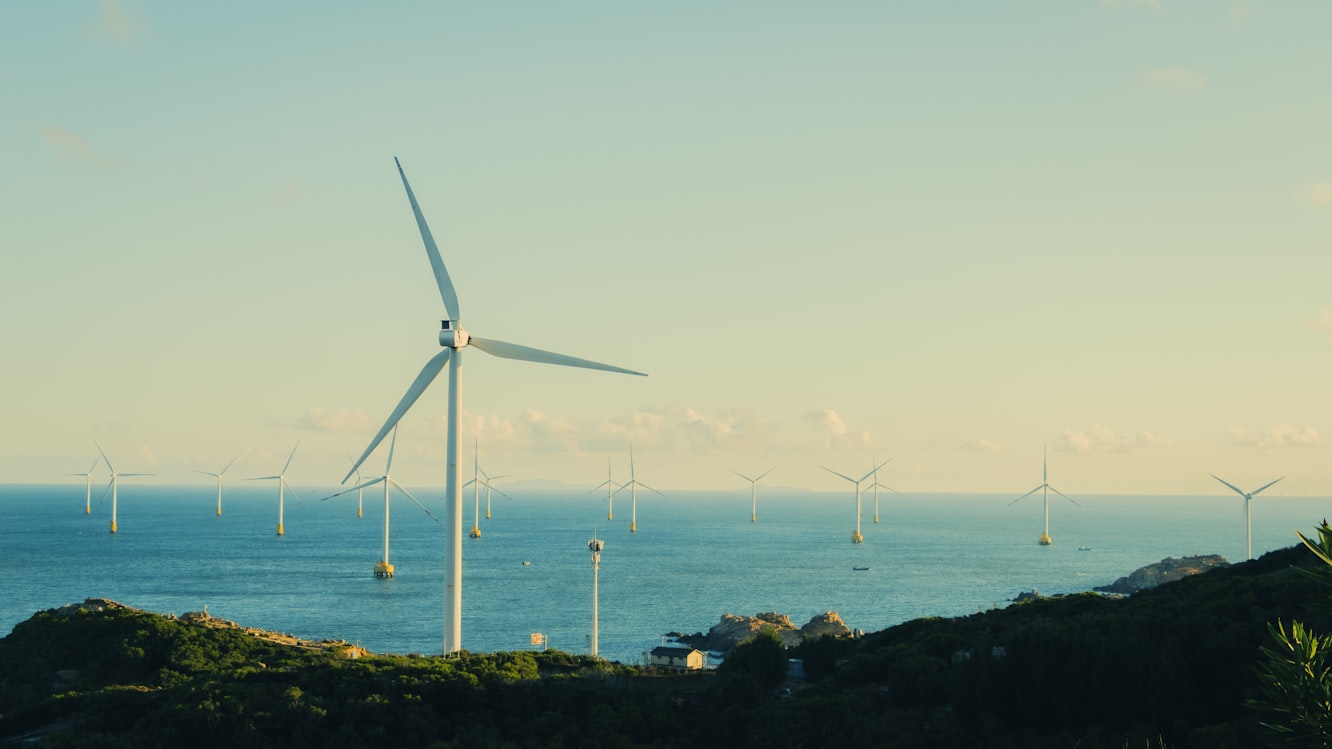
As we rely more and more on the ocean for everything from renewable energy to global communications, working offshore gets trickier.
Tackling marine projects, whether it’s building a wind farm or laying a subsea cable, demands careful attention to safety and planning.
Whether you’re interested in renewable energy, major infrastructure projects, or how offshore developments are delivered safely, understanding the challenges involved highlights just how much planning goes on behind the scenes.
The Rise of Offshore Ventures
Our seas and oceans are turning into busy hubs of industrial activity.
The push for green energy has led to a huge increase in offshore wind farms, while our constant demand for data means more subsea fibre-optic cables are being laid all the time.
These projects are amazing feats of engineering and are crucial for our modern economy.
But they also happen in some of the toughest environments on Earth.
Successfully managing them means balancing new ideas with a solid commitment to keeping operations safe and protecting the environment.
Understanding Marine Environment Risks
The marine environment comes with its own unique set of risks that need careful handling.
You can generally split these into natural and man-made dangers.
Natural risks include unpredictable weather, strong currents, and complicated seabed geology.
A sudden storm can stop work for days, and an unstable seabed could threaten the foundations of a multi-million-pound turbine.
Man-made risks are just as serious.
Busy shipping lanes increase the chance of collisions, and you need to navigate carefully around existing pipelines or cables on the seafloor.
Research on maritime navigational risks highlights the difficulties of putting large structures like wind farms into already crowded waters.
Good planning, then, has to consider the coexistence of different marine activities to avoid conflicts and keep everyone at sea safe.
Essential Pre-Project Assessments
Before any equipment even touches the water, you need to do a series of thorough checks to spot and reduce potential dangers.
A detailed planning phase is the bedrock of any safe offshore project.
This usually involves several key surveys.
Environmental Impact Assessments (EIAs) help us understand and lessen the project’s effect on marine ecosystems.
Geotechnical surveys look at the seabed’s soil and rock conditions to make sure any structures will have a stable base.
Crucially, this stage also needs a detailed process for identifying hazards.
The seabed might hold historical items from old conflicts or industrial activities, which can be a big risk during construction.
A key part of this process is conducting detailed marine UXO surveys to identify potential hazards before construction begins, helping teams plan work safely and minimise disruption.
This proactive step is essential for protecting people, equipment, and the environment.
Technology for Subsea Exploration
Today’s technology lets us understand the subsea environment in incredible detail before a project even begins.
Advanced survey vessels come with a range of tools to map the seafloor and find potential hazards.
- Multibeam Echosounders: These sonar systems create high-resolution 3D maps of the seabed’s shape, showing its contours and features.
- Side-Scan Sonar: This tool provides image-like data of the seafloor, helping to identify objects or different types of sediment.
- Magnetometers: Towed behind a vessel, these instruments pick up changes in the Earth’s magnetic field caused by ferrous metal objects, making them vital for finding buried metallic hazards.
- Remotely Operated Vehicles (ROVs): These unmanned submersibles can be sent down for visual checks, equipped with cameras and robotic arms to investigate specific targets found by sonar or magnetometer surveys.
Ensuring Project Continuity
Safety isn’t just something you think about during planning.
It needs to be a constant priority throughout the entire project.
This means having strong systems in place for real-time monitoring and management.
Project managers have to constantly check weather forecasts and sea conditions to make smart decisions about when it’s safe to work.
Vessel tracking systems help manage marine traffic around the project site, lowering the risk of collisions.
On top of that, thorough contingency plans are a must.
Every project should have clear steps for dealing with emergencies, from medical issues to equipment breakdowns.
Good communication between all teams, both offshore and onshore, is what makes effective incident response possible.
Regular drills and training make sure everyone knows what to do if something unexpected happens.
Ultimately, safely navigating offshore projects is a continuous cycle of checking, planning, and staying alert.
By taking a thorough and proactive approach to managing risks, companies can protect their people and assets while still delivering the crucial infrastructure we all rely on.
Hope you’ve found our article, Safely Navigating Offshore Projects: Key Risks and Considerations useful.
Thank you for taking the time to read my post. If you’d like to add a comment or thought on this post, please use the comments section below. I can also be contacted via the online contact form. Keep up to date with the latest news on social media.