
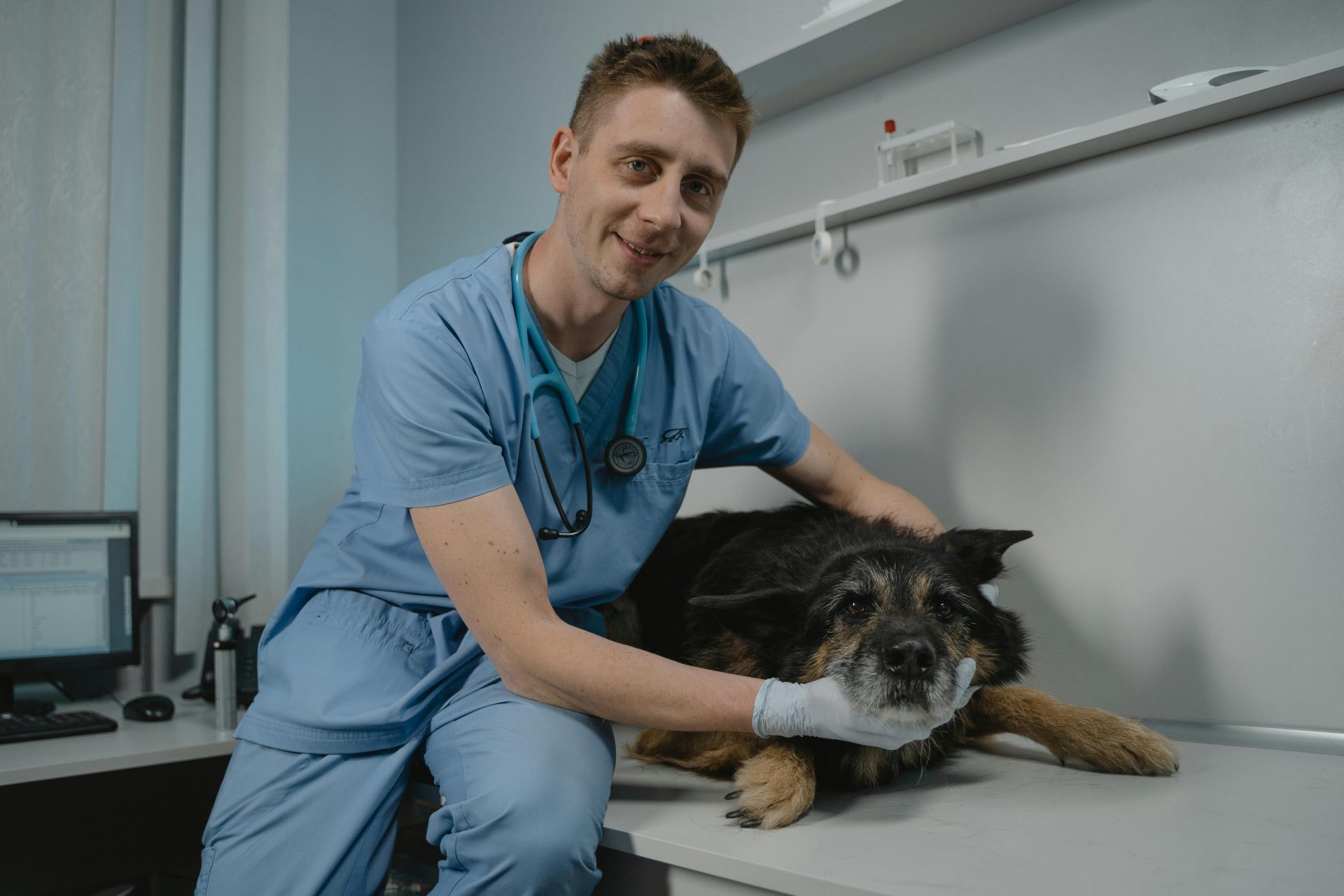
Like all healthcare businesses, veterinary clinics are under pressure to diagnose and treat their patients as efficiently and effectively as possible.
However, this pressure could potentially lead to work practices that prioritise speed, even at the cost of accuracy.
Here, we’re going to look at some tips that could help clinics ensure that they’re able to jump into action more quickly but with fewer errors along the way.
Use Digital Records More Effectively
Having easier access to patient information, as well as being able to update and share it more effectively, can make clinics much more effective.
Instead of searching through paper files or disconnected systems, veterinary teams can quickly review medical history, vaccination records, prescriptions, test results and treatment plans in one place.
This reduces duplication, ensures continuity of care, and helps vets more easily get the information that they need to make better decisions during appointments.
Investing in the right digital records systems can benefit vets across the board, with better reminders for follow-ups, medication reviews, and repeat visits.
Make Triage A Priority
When it comes to prioritising patients for the best outcomes or to mitigate the worst harm, seeing patients based on priority, not just arrival order, may be a path worth considering.
If emergency cases, routine appointments, and ongoing treatment reviews frequently happen at the same time in your practice, then having structured triage processes can help reception teams and nurses see those red flags early and direct more urgent cases to the right clinicians as and when they’re available.
Less urgent concerns might have to be rescheduled, but having clearer guidance for pet owners either way can help alleviate their stress.
Consider Multiplex Diagnostic Testing
Where symptoms can represent a broad range of potential issues, multiplex diagnostics can help clinics and labs explore multiple causes of illness, all from a single sample.
For instance, canine diarrhoea disease panels can detect multiple pathogens from a single sample, saving time, sample volume, and the labour required to run several tests.
This allows for faster, more targeted decision-making, as well as less frustration for patients, since you’re going to have to ask them for samples as often.
Automate Lab Processes Where Possible
Laboratory work can be a major source of delays if samples are manually labelled, tracked, processed and reported through separate systems.
Automation can help a lot by reducing human error, speeding up turnaround times, and creating a more consistent workflow.
Automated labs still require human oversight to prevent errors, but they can be used to streamline sample tracking, barcode systems, and digital result transfer, all of which can greatly decrease the administrative burden on your staff, making them less likely to make errors in other parts of the job, as well.
The practices above can truly make a big difference in allowing for better and quicker diagnoses without risking accuracy.
However, it’s the priorities of the practice that must always be kept in check, as vets must make sure that corner-cutting and errors aren’t allowed to pile up.
Hope you’ve found our article, How Veterinary Clinics Can Improve Efficency And Accuracy At Once useful.
Thank you for taking the time to read my post. If you’d like to add a comment or thought on this post, please use the comments section below. I can also be contacted via the online contact form. Keep up to date with the latest news on social media.