
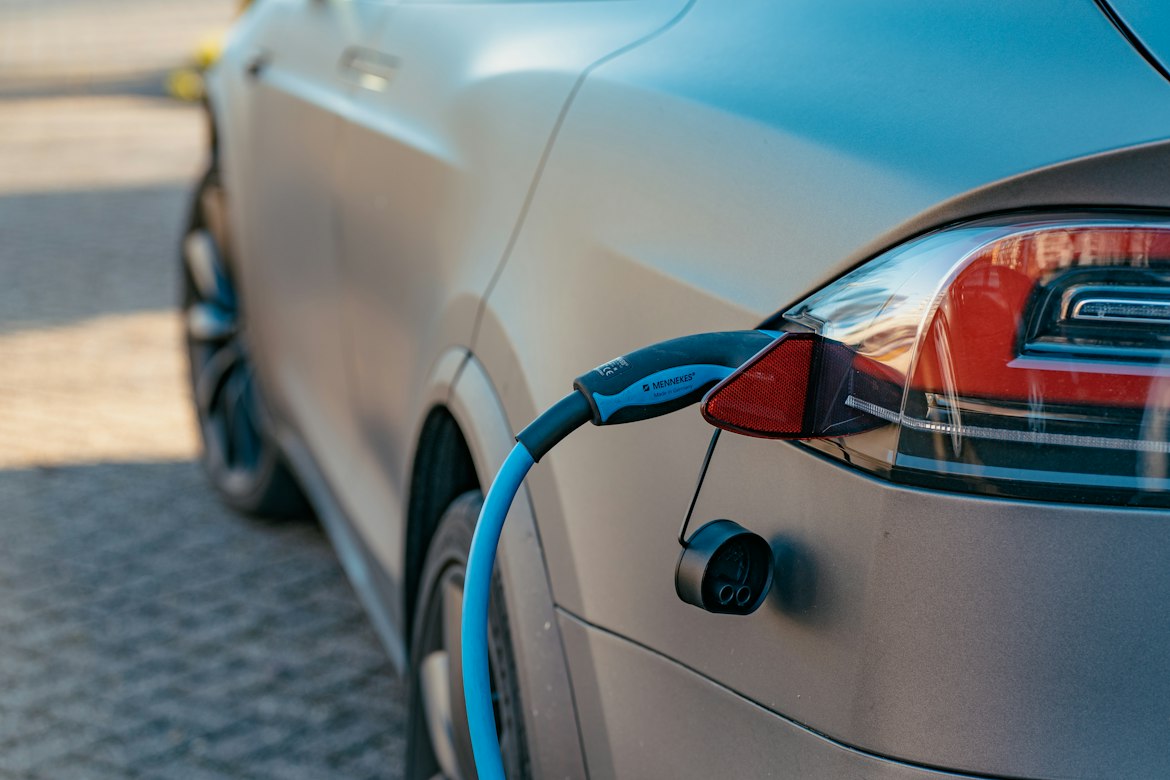
A home EV charger should suit your car, daily mileage and property electrics without adding unnecessary cost or complexity.
The best choice will deliver enough charge overnight, fit your parking arrangement and give you useful control over when electricity is drawn from the grid.
Before ordering a unit, look beyond the advertised charging speed.
Cable length, electrical capacity, smart controls, installation standards and grant eligibility can all affect the final result.
This guide explains how to compare the options and prepare your home for safe, convenient charging.
Understanding Charger Types
Home charging equipment is usually described by its power rating, measured in kilowatts (kW).
A standard UK domestic socket delivers roughly 2.3 kW, but relying on one for regular charging is slow and may place sustained demand on wiring that was not designed for this purpose.
A dedicated chargepoint provides a safer and more practical everyday solution.
Most UK homes choose a 7 kW charger.
At this rate, an EV may gain around 25 to 30 miles of range per hour, although the actual figure depends on the vehicle, weather and battery efficiency.
For someone who returns home at 6 pm and plugs in overnight, that is generally more than enough to replace a typical day’s driving.
Faster 11 kW and 22 kW units exist, but they normally need a three-phase electricity supply.
Many domestic properties have a single-phase supply, so buying a higher-rated charger won’t automatically produce faster charging.
Your car’s onboard charging limit matters too.
A model that accepts only 7 kW on alternating current cannot take advantage of a 22 kW home unit.
You’ll also need to choose between tethered and untethered equipment.
A tethered charger has a permanently attached cable, making daily use quick and simple.
An untethered model has a socket, giving the front of the unit a tidier appearance when it isn’t in use.
The US Environmental Protection Agency’s guide to home EV charging offers a useful overview of the same basic charging levels, though its terminology and electrical standards are US-specific.
Assessing Your Home’s Electrical Capacity
Ask a qualified installer to assess the property before committing to a particular charger.
They’ll examine the incoming supply, main fuse, consumer unit, earthing arrangements and existing electrical demand.
The position of your meter and proposed charging space will also affect the cable route and installation cost.
A load calculation estimates how much electricity the home could draw when several high-demand appliances operate together.
Imagine an electric shower, induction hob, heat pump and EV charger all running at once.
The total may approach or exceed the property’s available capacity, even though each appliance works safely on its own.
Modern chargepoints can use dynamic load management to solve many capacity concerns.
A monitoring device measures household demand and temporarily reduces the charging rate when another large appliance starts.
Full charging power returns once demand falls, usually without any action from you.
Local knowledge can help when properties share common building styles or supply arrangements.
Householders on the Wirral, for example, can ask an approved EV charger installer to inspect the proposed location, confirm what the supply can support and provide a clear supply-and-fit price.
Tell the installer about planned changes as well.
Solar panels, battery storage, an electric heating system, or a second EV could influence the charger and cable specification you choose now.
Smart Features to Look For
Smart charging lets you schedule charging for specific hours through an app or the unit’s controls.
This can reduce running costs if your electricity tariff offers cheaper overnight rates.
Instead of charging as soon as you arrive home, the car can wait until the lower-price window begins.
Look for a charger that clearly displays charging history, energy use and estimated cost.
These records make it easier to compare monthly consumption and spot an unexpected change.
If you drive a company vehicle, downloadable charging data may also help when submitting an expenses claim, subject to your employer’s policy.
Useful features include:
- Scheduled charging linked to off-peak hours
- Dynamic load management for the household supply
- Remote start, stop and status checks
- Access controls to prevent unauthorised use
- Solar integration for homes with photovoltaic panels
- Automatic software and security updates
Check how the charger behaves if broadband or mobile connectivity drops.
Core charging should still work, even if app controls and live data are temporarily unavailable.
It also helps to find out how long the manufacturer promises software support and what happens if its online service closes.
Solar compatibility deserves close attention if you already generate electricity at home.
Some units can direct surplus solar power into the vehicle instead of exporting it to the grid.
Charging speed will vary with sunshine and household demand, so drivers with a fixed morning departure time may want a mixed mode that combines solar generation with grid electricity.
Avoid paying extra for features you won’t use.
A reliable timer and clear energy records may be more valuable than an app full of rarely opened menus.
The Benefits of Professional Installation
EV charging involves sustained electrical demand over several hours, so installation quality has a direct bearing on safety and reliability.
A suitably qualified professional will select the correct cable size, protection devices and isolation equipment for the property and charger.
They’ll also test the completed work and provide the relevant electrical certification.
Placement needs practical thought.
The unit should be easy to reach without stretching a cable across a pavement, shared path or regular walking route.
Measure the distance to the car’s charging port while it is parked in its normal position.
Remember that a replacement vehicle may have its port at the opposite end, so a slightly longer cable or a central mounting point can offer more flexibility.
An installer can also identify complications that are easy to miss during an online purchase.
Long cable runs, detached garages, thick walls and limited consumer-unit space can all change the job.
Outdoor equipment needs an appropriate weather-resistance rating and secure mounting, while some installations require extra groundwork or a cable trench.
Before accepting a quotation, check what it includes.
A useful written quote should cover the charger, cabling, protective equipment, labour, testing and certification.
It should also state any assumptions about cable length or access.
Ask who will handle any required electricity network notification and what workmanship warranty applies.
Keep the certificate, invoice, warranty details and charger login information together.
These documents may be useful for future repairs, home insurance questions or when you sell the property.
Grants and Funding Options
Financial support for home chargepoints changes over time, and eligibility is often narrower than older articles suggest.
In the UK, schemes have moved away from broad support for all homeowners and towards selected groups, property types and parking arrangements.
Check the current rules before arranging installation because an application may need approval before work starts.
Before applying, review the current EV chargepoint grant requirements for the property, parking space, installer and approved equipment.
Renting a home, owning a flat or having access to designated off-street parking can affect which route applies.
Funding rules can also differ across England, Scotland, Wales and Northern Ireland.
Some employers include EV charging support in workplace benefit or salary sacrifice arrangements.
Electricity suppliers may offer charger bundles or tariffs with low overnight prices, though the cheapest charger package does not always provide the lowest total cost.
Compare the unit price, installation allowance, standing charge, off-peak window and peak electricity rate together.
Ask for an itemised quote before making a grant application.
Extra work such as trenching, consumer-unit changes or unusually long cable routes may sit outside a standard funded installation.
Reviewing broader electric vehicle charging advice can also help you compare home charging costs and other energy considerations before committing.
Once you have confirmed the car’s charging limit, your home’s available capacity and any funding deadline, you’ll have the details needed to request accurate like-for-like quotations.
That groundwork should leave you with a charger that is ready each morning without placing avoidable strain on the household supply.
Hope you’ve found our article, Choosing the Right Home Charging Solution for Your EV useful.
Thank you for taking the time to read my post. If you’d like to add a comment or thought on this post, please use the comments section below. I can also be contacted via the online contact form. Keep up to date with the latest news on social media.