
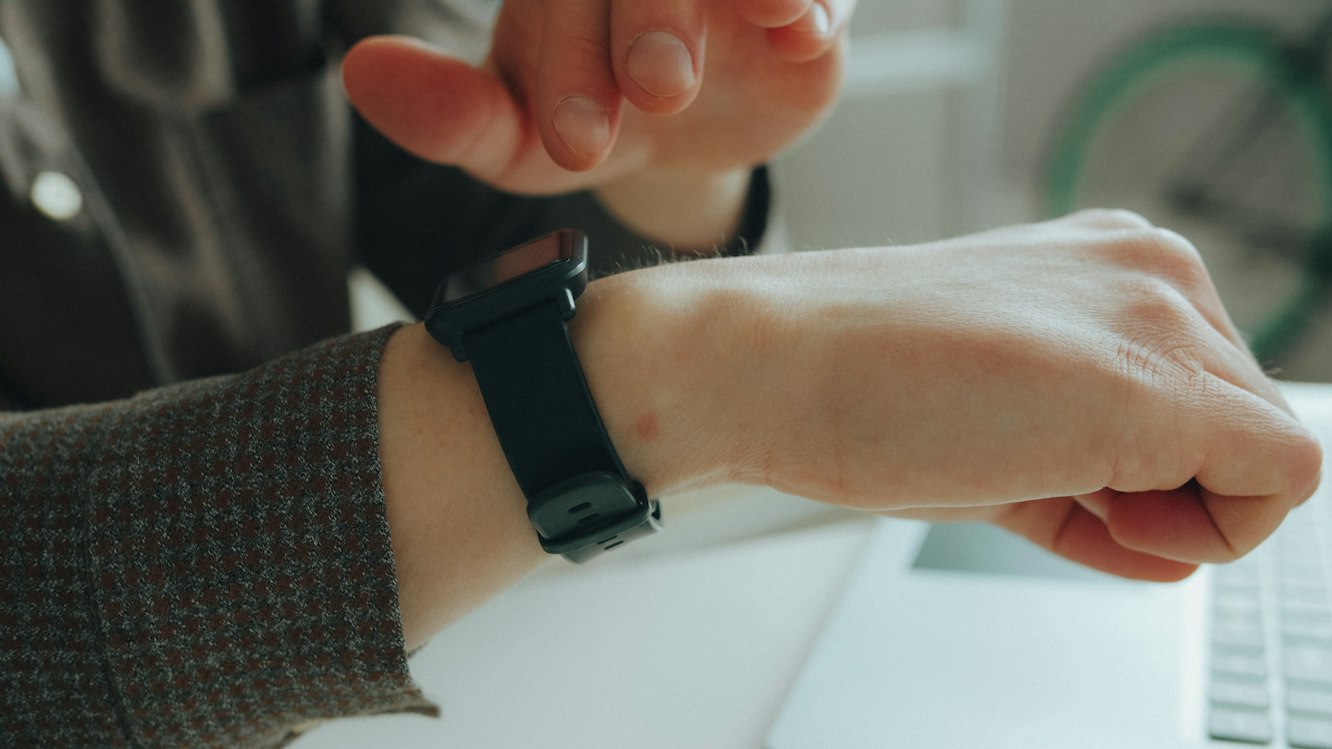
Wearable technology can spot patterns that often precede workplace injuries, from repeated bending to rising fatigue.
Sensors, smart clothing and connected badges can give workers an early warning and show managers where conditions need attention.
Yet a vibrating alert cannot repair faulty equipment, reduce an unrealistic workload or replace proper training.
The value of occupational safety technology therefore depends on how employers use the information.
Devices can support prevention, but responsibility for a safe workplace still sits with the organisation.
Tracking Posture with Smart Sensors
Posture sensors typically use accelerometers and gyroscopes to recognise movements such as twisting, stooping or lifting at an awkward angle.
A warehouse employee might receive a gentle vibration after repeatedly bending from the waist, prompting them to adjust their technique or change the height of a work surface.
Guidance on workplace safety wearables also highlights uses such as location monitoring and environmental alerts.
These tools work best when data leads to practical changes.
If several people receive warnings at the same packing station, managers should review the station itself instead of treating every alert as an individual failure.
For everyday posture support outside high-risk tasks, this Branfit posture corrector explains what a consumer support product can and cannot realistically do.
What Biometric Data Actually Reveals
Biometric devices may track heart rate, skin temperature, movement and signs associated with physical strain.
Taken over several shifts, these readings can reveal that demanding tasks cluster late in the day or that heat exposure rises in one part of a site.
A useful response could involve rotating duties, scheduling an extra rest period or improving ventilation.
The figures require careful interpretation.
An elevated heart rate can have many causes, while two people may respond differently to the same workload.
Employers should explain what is collected, who can see it and how long it will be retained.
If an incident has already caused harm, sensor records may help establish a timeline.
Affected workers should report the event promptly, keep copies of relevant records and seek professional help where appropriate.
Systemic Flaws Gadgets Cannot Fix
A wearable might warn someone that they’re lifting too frequently, but it cannot reduce an overloaded schedule.
It also cannot install a missing barrier, clear a blocked walkway or ensure that a supervisor responds to a reported fault.
Treat repeated alerts as evidence about the working environment.
Managers should check staffing levels, task design, maintenance records and reporting procedures when patterns emerge.
For example, frequent twisting warnings in a dispatch area could point to poorly positioned shelving.
Moving stock within easy reach may remove the risk at source.
Workers also need a straightforward way to question inaccurate readings.
Without that safeguard, monitoring can feel punitive, and people may stop trusting the system.
Addressing Severe Workplace Trauma
Wearables have limits when an event is sudden and severe.
Their most useful functions may then include detecting a fall, sending an automatic alert or helping responders locate an injured person quickly.
Fast notification can reduce the time someone remains without assistance, particularly in a large facility or during an isolated shift.
Some providers report substantial reductions linked to wearable safety programmes, but headline figures need context.
Results can reflect training, management involvement and process changes introduced alongside the devices.
Every workplace still needs tested emergency procedures.
Staff should know how to raise an alarm, where to assemble and how to preserve incident records without delaying urgent care.
The Future of Occupational Safety Tech
Future systems are likely to combine wearable readings with equipment data and environmental sensors.
Software could identify that strain alerts increase when a particular production line speeds up, or that fatigue indicators regularly appear after specific shift patterns.
The strongest systems will give workers useful feedback without turning constant surveillance into the default.
Employers should collect only relevant information, set clear access rules and involve staff before a trial begins.
A four-week pilot in one department can test comfort, battery life, false alerts and whether managers actually act on the findings.
Wearable technology can prevent some injuries when its warnings trigger concrete improvements.
Its real test is simple: fewer hazardous movements, faster responses and safer working conditions after the sensor has gathered its data.
Hope you’ve found our article, Can Wearable Tech Truly Prevent Workplace Injuries? useful.
Thank you for taking the time to read my post. If you’d like to add a comment or thought on this post, please use the comments section below. I can also be contacted via the online contact form. Keep up to date with the latest news on social media.