
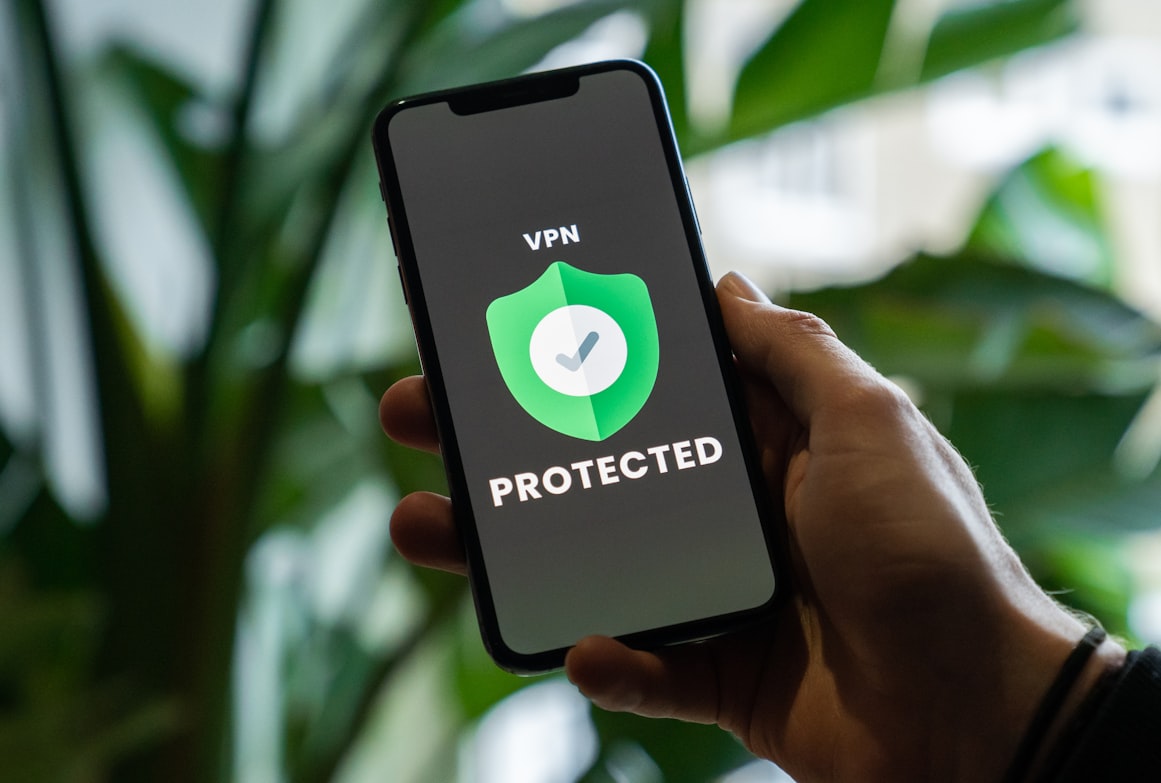
Spend any amount of time on YouTube and you’ll probably have come across a VPN sponsored segment or advertisement.
It usually involves warnings, urgent language, and the feeling that something bad is about to happen if you don’t act fast.
But for most people, that level of panic doesn’t really match their day-to-day experience online.
Browsing, streaming, checking emails, all of it feels pretty normal.
Big companies like Apple and Google are generally pretty great at protecting you from these threats too.
So it’s fair to wonder what a VPN actually does, and if it’s worth the effort at all.
So let’s break it down in a way that feels a bit more practical and easy to understand for a regular person.
Why VPNs sound scarier than they actually are
A lot of VPN marketing leans heavily into fear.
It can make you feel like every public Wi-Fi network is dangerous and every website is a potential threat.
But in reality, most modern websites already use strong security measures.
If you’re logging into your bank or shopping online, there are layers of protection in place that don’t rely on you having a VPN.
So the idea that a VPN is your only line of defence isn’t quite accurate.
It can help, but it’s not the dramatic shield it’s sometimes made out to be.
That’s why it helps to look at it from a different angle.
The difference between staying secure and staying private
Security and privacy tend to get mixed together, but they’re not the same thing.
Security is about stopping someone from stealing your information.
Privacy is more about who gets to see what you’re doing online.
A VPN leans more toward privacy, making it harder for your browsing activity to be tracked.
If your goal is to stay safe online, your passwords, updates, and general habits already do a lot of that work.
A VPN just adds another layer, but more in terms of reducing visibility rather than blocking direct threats.
Everyday benefits that actually make a difference
VPNs start to feel useful in small and practical things.
For example, changing your location can affect what content you can access.
Streaming platforms, certain websites, or even pricing on bookings can vary depending on where you appear to be browsing from.
There’s also the issue of how your internet provider handles your activity.
In some cases, they might slow things down if they detect heavy usage.
A VPN makes that a bit harder to track.
If you’re using a Windows VPN for secure browsing, it can be as simple as turning it on when you want that extra layer of privacy.
What a VPN doesn’t magically fix
It’s worth keeping expectations realistic because a VPN doesn’t suddenly make you invisible.
If you log into your usual accounts, those platforms still know who you are.
Your behaviour on those sites doesn’t suddenly disappear.
It also doesn’t fix risky habits. Clicking on suspicious links or using weak passwords can still cause problems.
The VPN isn’t there to replace common sense, it just adds a bit of separation between you and the wider internet.
So for most people, VPNs don’t have to be wrapped in fear to make sense.
For a regular person, they’re less about constant danger and more about small and practical advantages.
Hope you’ve found our article, A Regular Person’s Guide to Using a VPN useful.
Thank you for taking the time to read my post. If you’d like to add a comment or thought on this post, please use the comments section below. I can also be contacted via the online contact form. Keep up to date with the latest news on social media.